Lockout/Tagout (LOTO) procedures are essential in industrial settings to ensure the safety of workers during maintenance, repair, or cleaning tasks. Lockout equipment plays a vital role in preventing accidental injuries by ensuring that machines or equipment are properly de-energized and cannot be inadvertently reactivated while under service. This article explores the importance of lockout equipment, the key types of devices used, and how they contribute to a safer work environment.
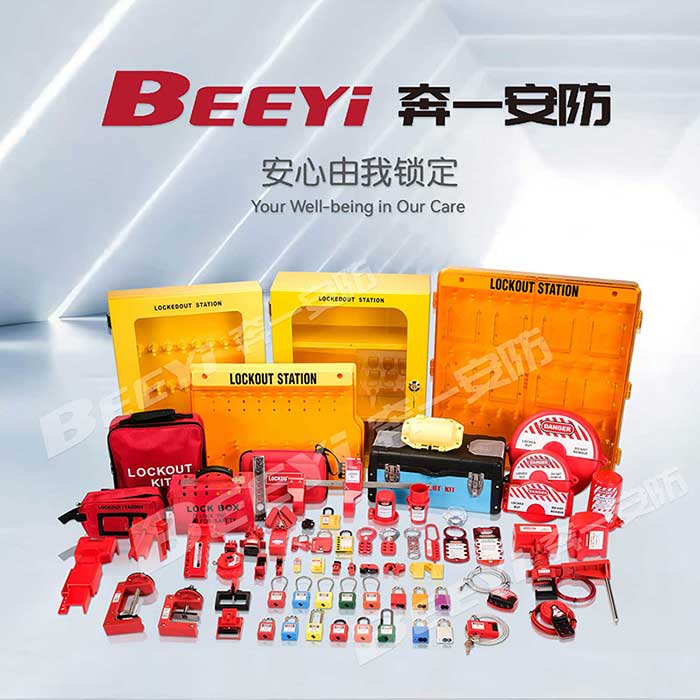
Understanding Lockout/Tagout (LOTO) Lockout/Tagout is a safety protocol used primarily in industrial environments, aimed at controlling hazardous energy during maintenance activities. Hazardous energy can come in many forms: electrical, mechanical, hydraulic, pneumatic, chemical, or thermal. The LOTO procedure involves shutting down the machine, isolating its energy sources, and locking or tagging the equipment to prevent accidental startup. The purpose of using lockout equipment is to safeguard workers from exposure to these hazards. Key Types of Lockout Equipment The primary types of lockout equipment include locks, tags, lockout devices, and energy-isolating mechanisms. Each of these plays an important role in ensuring that machines cannot be accidentally re-energized or restarted while maintenance is ongoing.