A one-way solenoid valve is an essential component in various industrial and domestic applications where fluid control is necessary. This type of valve allows fluid to flow in only one direction, preventing backflow, which could lead to system inefficiencies or damage. Understanding the working principles, applications, and benefits of one-way solenoid valves is crucial for engineers, technicians, and anyone involved in fluid management systems.
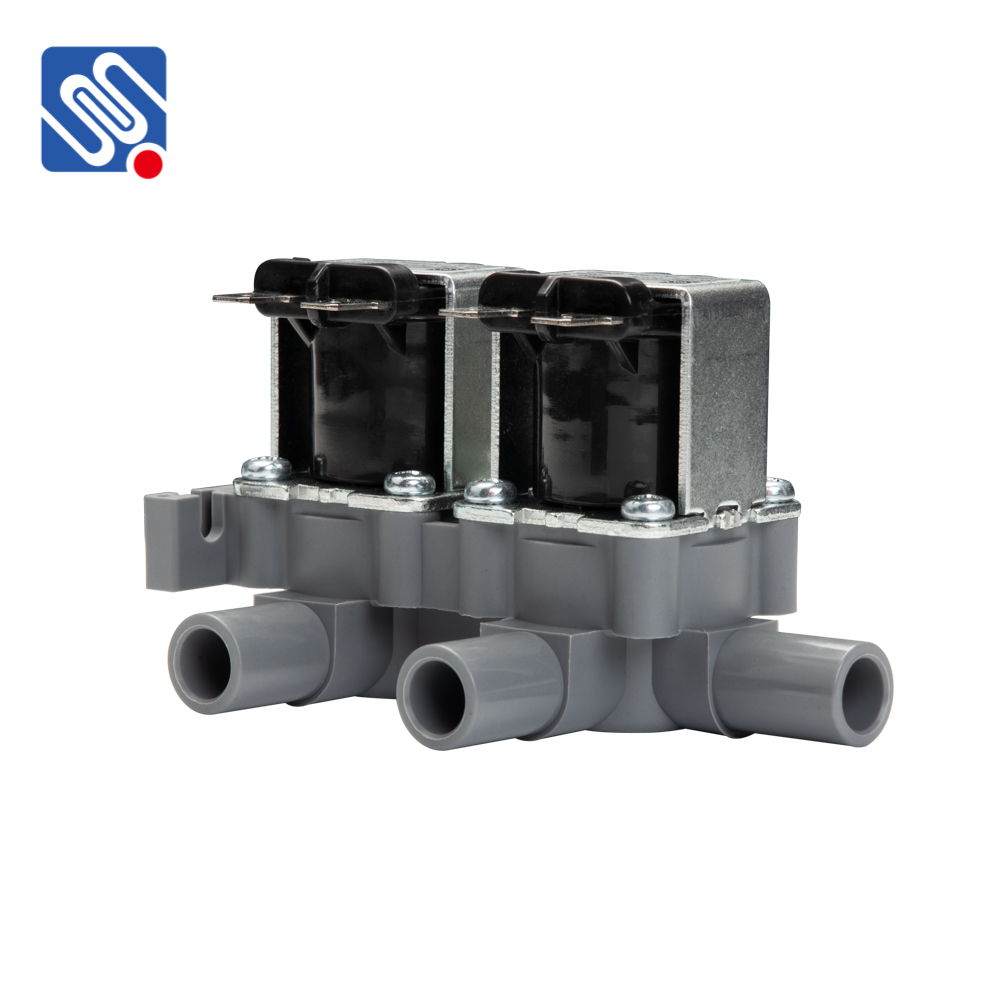
Working Principles A one-way solenoid valve operates using an electromagnetic coil that controls a movable plunger or diaphragm, effectively regulating fluid flow. When an electrical current passes through the coil, it generates a magnetic field that attracts the plunger, either opening or closing the valve seat. In its electric state, the valve allows fluid to flow freely in the designated direction. Conversely, when the electric current is turned off, a spring mechanism typically restores the valve to its closed position, preventing any backflow. The design of a one-way solenoid valve can vary slightly based on the manufacturer and intended application. However, most models maintain a core structure consisting of an electromagnetic coil, valve body, plunger or diaphragm, and a spring. The use of durable materials is essential, particularly when the valve is used with corrosive or high-temperature fluids.
Leave a Reply