In recent years, the demand for more efficient and sustainable solutions in industrial systems has increased. Among the many innovations, the Lithium Battery Electric Gate Valve stands out as a powerful and versatile solution for controlling fluid and gas flow in a variety of applications. By combining the reliability of electric actuators with the long-lasting power of lithium batteries, this valve technology has proven to be a game-changer in industries such as water treatment, oil and gas, and remote infrastructure projects. This article delves into the functionality, benefits, and applications of the lithium battery electric gate valve, highlighting its advantages in modern industrial settings.
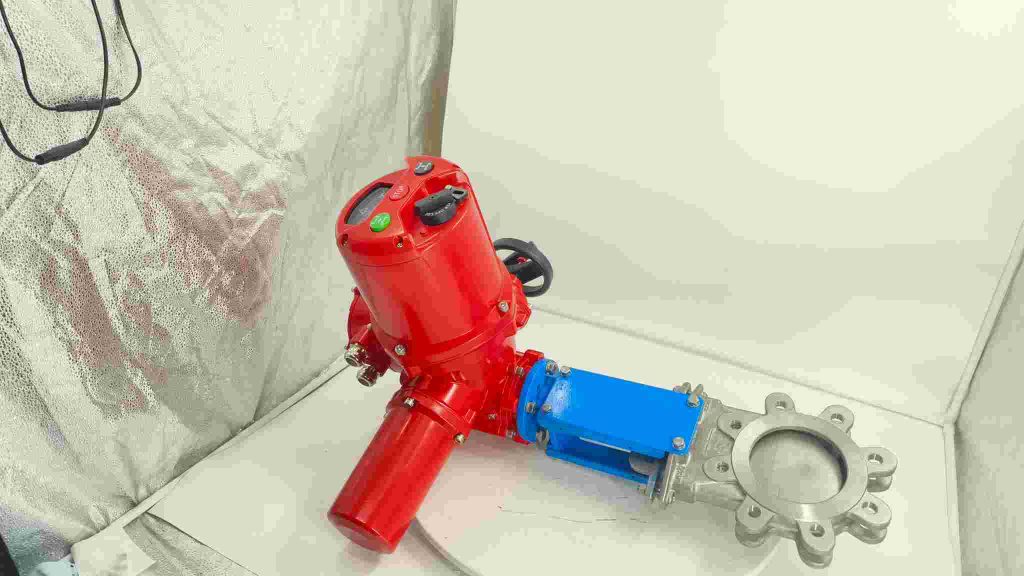
What is a Lithium Battery Electric Gate Valve?
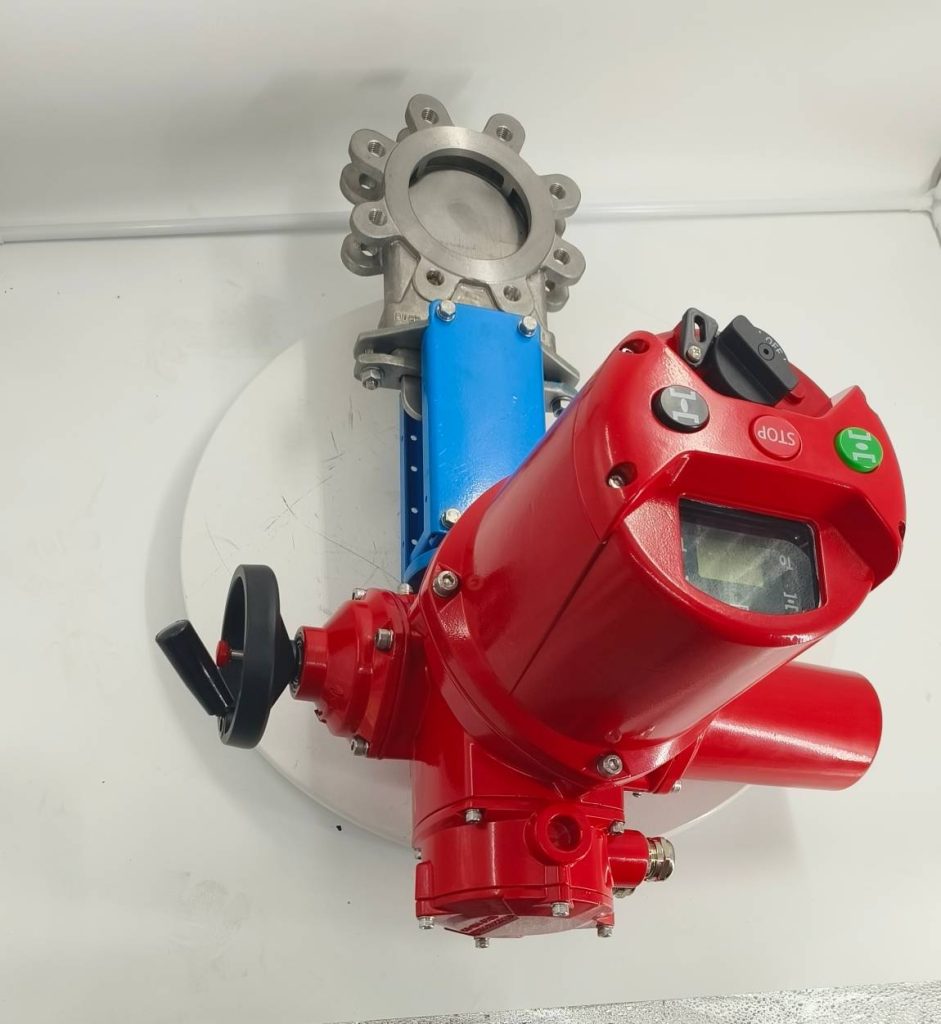
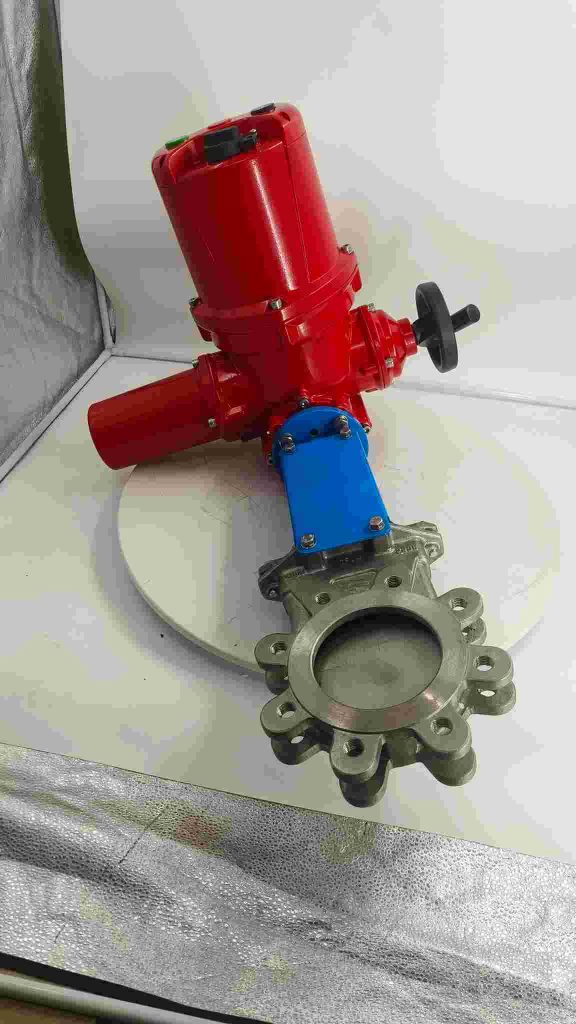
A Lithium Battery Electric Gate Valve is a type of valve that utilizes an electric actuator powered by a lithium battery to open or close the gate mechanism that controls fluid flow. The actuator, when powered, drives the gate up or down, allowing precise control over the passage of liquids or gases through pipelines. Unlike traditional gate valves that rely on manual or pneumatic actuation, this technology offers more autonomy and flexibility, especially in settings where access to external power sources is limited or non-existent. The key innovation here lies in the use of lithium batteries, which are known for their long lifespan and high energy density. These batteries allow the valve to operate for extended periods without requiring constant recharging or replacement, making it a practical solution for remote and off-grid applications.
Leave a Reply