High current relays play a crucial role in various industrial and commercial applications where the management of electrical power is essential. These specialized devices are designed to handle high electrical currents, often exceeding the capabilities of standard relays. Understanding the functionality, applications, and considerations associated with high current relays can help engineers, technicians, and managers make informed decisions regarding their use.
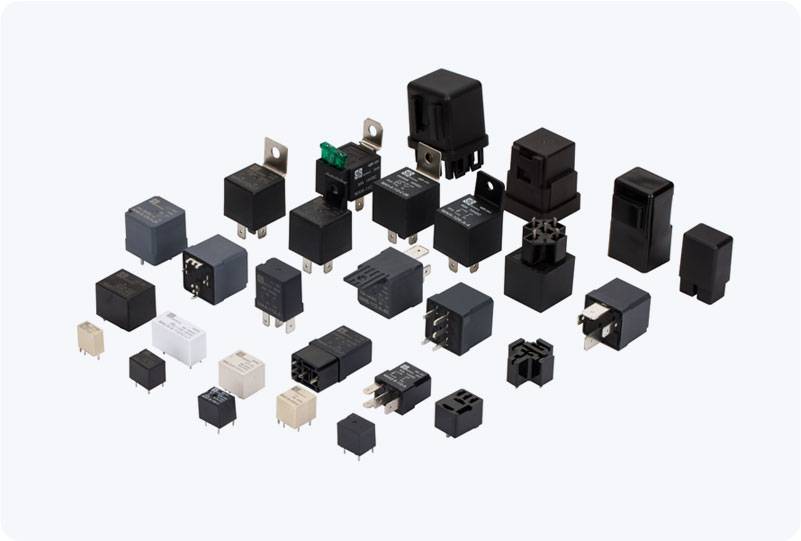
What is a High Current Relay? A high current relay is an electromechanical or solid-state device used to control the flow of electrical current in a circuit. Unlike standard relays, which typically manage lower current levels, high current relays are engineered to handle significant electrical loads, often ranging from several tens of amperes to several thousand amperes. This makes them essential for controlling heavy machinery, motors, heating systems, and other high-power devices. The basic operating principle of a high current relay involves the use of electromagnetic induction or semiconductor electronics. In electromagnetic relays, a coil generates a magnetic field when energized, which attracts a movable armature to make or break a circuit connection. Solid-state relays, on the other hand, utilize semiconductor devices like transistors or thyristors to achieve similar functionality without moving parts, allowing for faster switching speeds and improved durability.