In today’s advanced technological landscape, relays play a crucial role in automation and control systems across various industries. One such essential component is the 24V 10A relay, a device designed for switching applications that require a reliable connection while handling substantial loads. This article delves into the features, applications, and considerations associated with the 24V 10A relay, showcasing its importance in modern electrical systems.
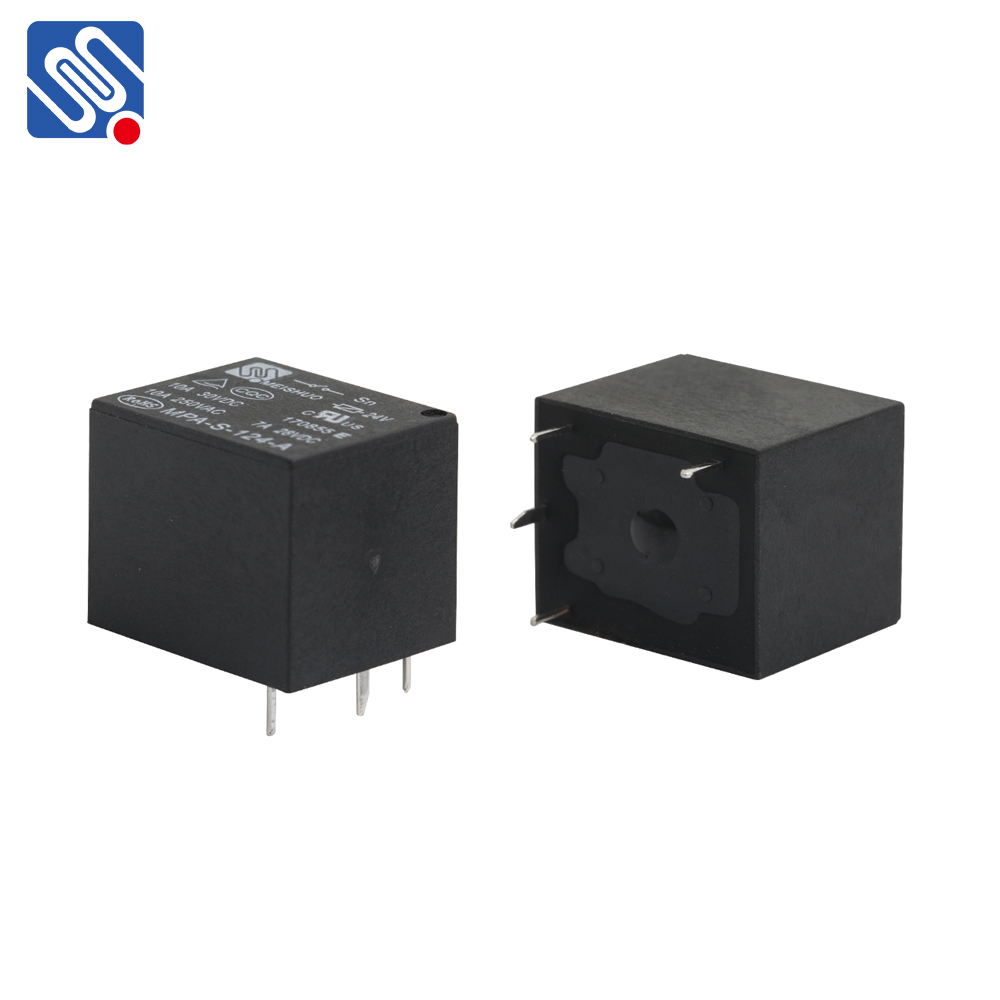
Understanding the 24V 10A Relay At its core, a relay is an electrically operated switch that utilizes an electromagnet to mechanically operate a switching mechanism. The 24V 10A relay is specifically designed to operate at a nominal voltage of 24 volts and can handle a maximum load of 10 amperes. This makes it suitable for various low to medium power applications, where electrical isolation between control and power circuits is necessary. The relay is composed of several key components: an electromagnet (coil), a set of contacts (either normally open or normally closed), and a mechanical armature that moves in response to the magnetic field generated by the coil. When current flows through the coil, it activates the magnetic field, which pulls the armature, switching the contacts from their default state. This simple yet effective operation allows for seamless control of high-power devices using low-power control signals.