In any industrial environment, safety is paramount. As many workers interact with complex machinery and electrical systems daily, ensuring their protection is crucial. One effective method for maintaining workplace safety is the use of safety lockout tags. These tags serve as vital components in the lockout/tagout (LOTO) procedures, designed to prevent accidental machine start-up during maintenance and servicing. This article will delve into the significance of safety lockout tags, their functions, and best practices to ensure a safe working environment.
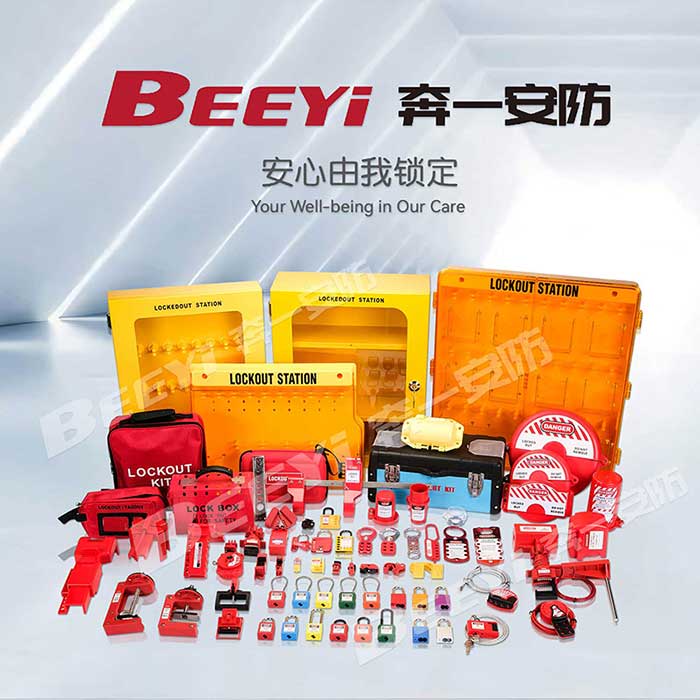
What Are Safety Lockout Tags? Safety lockout tags are clearly marked labels used alongside lockout devices to communicate that a piece of equipment is under maintenance and is not to be operated. Typically made from durable materials, these tags must endure the rigors of the industrial environment while remaining highly visible. They are an essential aspect of the lockout/tagout procedure, wherein machines or equipment are taken out of service and controlled to prevent unintended re-energization. The Role of Safety Lockout Tags Hazard Communication: Safety lockout tags provide crucial warnings to all personnel in the vicinity. They inform workers that a specific machine is undergoing maintenance, preventing unauthorized access. The tags are often brightly colored, typically using a combination of red and yellow, to ensure maximum visibility and recognition.