In industrial environments, safety is paramount, especially when dealing with potentially hazardous machinery, processes, and operations. One of the essential components in ensuring a safe working environment is the Safety Relay SIL 3. This safety relay plays a crucial role in preventing accidents and protecting both human lives and equipment from harm. In this article, we will explore the importance of Safety Relay SIL 3, its features, applications, and how it helps enhance industrial safety.
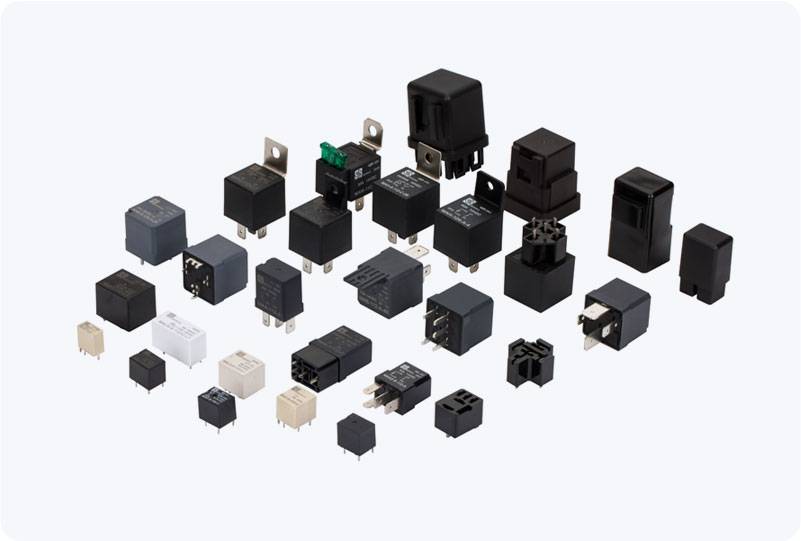
What is Safety Relay SIL 3? Safety Integrity Level (SIL) is a measure of the reliability of a safety system in reducing the risk of hazardous events. It is defined by the IEC 61508 standard and is classified into four levels, from SIL 1 (lowest) to SIL 4 (highest). SIL 3 is a high-level safety requirement for systems that need to minimize risks in critical applications. A Safety Relay SIL 3 is a safety device designed to meet the rigorous requirements of SIL 3, ensuring that the safety system operates correctly, even in the event of component failures or faults. A Safety Relay is essentially a relay that monitors safety circuits within a machine or system. When it detects a fault or abnormal condition, it initiates a safe shutdown or provides a signal to other systems to mitigate risks. The SIL 3 rating indicates that the safety relay has a high degree of reliability and is capable of preventing or mitigating serious accidents with a very low probability of failure.