Relays are indispensable components in electrical and electronic systems, serving as electro-mechanical switches that control the flow of electricity in a circuit. One of the critical specifications that users and engineers must consider when selecting a relay is its voltage rating. The relay voltage rating encompasses several important aspects that dictate its safe and efficient operation in various applications. This article aims to provide a comprehensive understanding of what relay voltage ratings entail, their significance, and the factors that should be considered when selecting a relay based on its voltage rating.
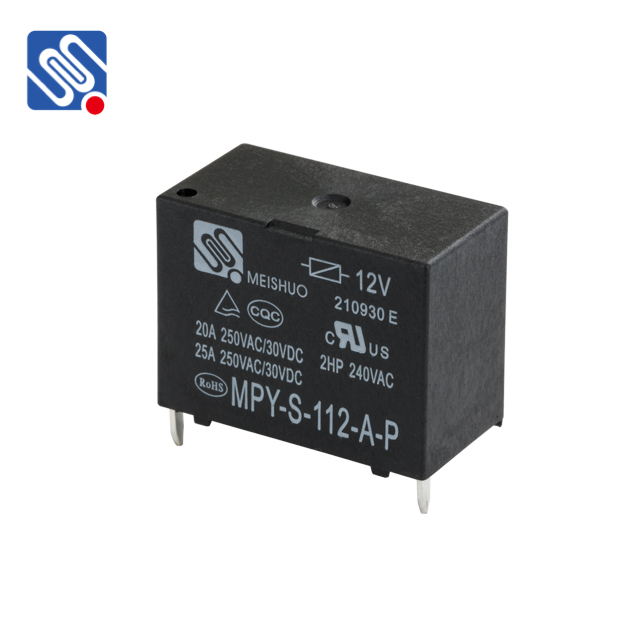
What is Relay Voltage Rating? At its core, the relay voltage rating refers to the maximum voltage that can be applied to the relay’s coil and the maximum voltage that it can switch in its contacts without risking damage or failure. It is a crucial parameter that affects the relay’s functionality, reliability, and longevity. The voltage rating typically has two main components: the coil voltage rating and the contact voltage rating. 1. Coil Voltage Rating The coil voltage rating indicates the voltage needed to energize the relay’s coil effectively. Common ratings include 5V, 12V, 24V, 120V, and 240V, depending on the relay’s design and intended application. When selecting a relay, it is essential to provide a supply voltage that matches this rating; otherwise, the relay may not operate correctly or could be damaged. Applying a voltage significantly higher than the rated coil voltage may lead to overheating or insulation breakdown, while too low a voltage may prevent the relay from activating altogether.