The development of power electronics has led to the creation of more efficient and reliable systems for controlling and managing high-voltage circuits. Among the most innovative devices in this field is the IGBT-based high-voltage (HV) relay. IGBT, short for Insulated Gate Bipolar Transistor, is a semiconductor device widely used for power switching. When applied in a relay context, it offers numerous advantages for controlling high-voltage systems, which are crucial in power generation, distribution, and various industrial applications.
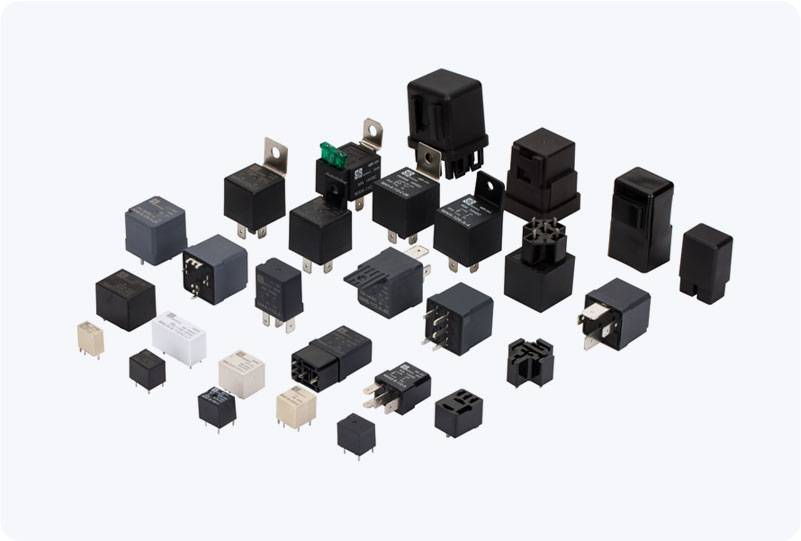
What is an IGBT-Based HV Relay? An IGBT-based HV relay is an electronic switching device used to control the flow of high-voltage electricity in power systems. It incorporates the power semiconductor device, IGBT, known for its excellent performance in high voltage and high current environments. Unlike traditional mechanical relays, which involve moving parts, an IGBT-based relay operates electronically, offering much faster switching times, higher efficiency, and longer operational life. The IGBT in the relay acts as the primary switching component. It can open or close a high-voltage circuit depending on the input control signals, thus isolating or connecting power sources or loads. The gate of the IGBT is controlled by a low-voltage signal, which makes it suitable for applications where high voltage needs to be controlled with precise, rapid switching.