The starter motor relay is a critical component in the starting system of most internal combustion engine vehicles. It functions as a switch, connecting the battery’s high voltage to the starter motor, thereby enabling the engine to start. Understanding how this relay works, its importance, and the potential issues associated with it can help vehicle owners maintain their cars more effectively and avoid unnecessary breakdowns.
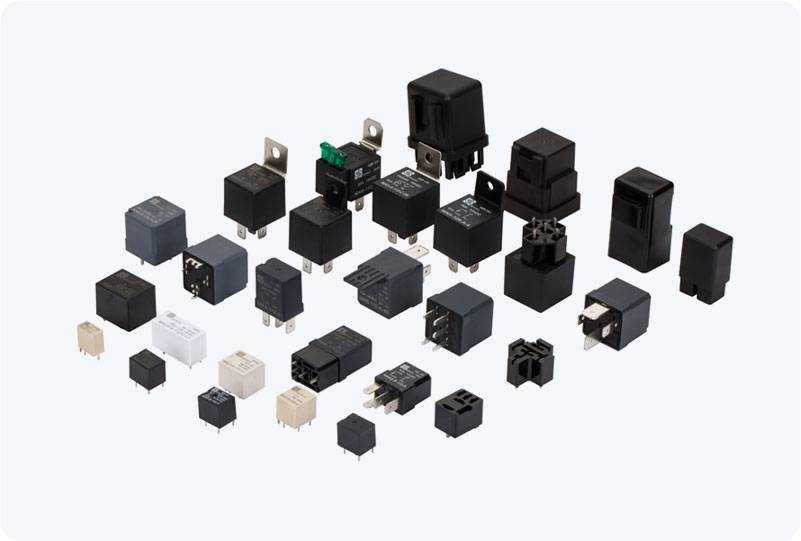
The Function of the Starter Motor Relay At its core, the starter motor relay serves a specific purpose: it enhances the electrical system’s efficiency by allowing a low-power signal from the ignition switch to control a high-power circuit. When the driver turns the ignition key or presses the start button, a small voltage signal is sent to the starter motor relay. This low-power signal activates the relay, causing it to close the circuit that connects the battery to the starter motor. The closing of the relay’s contacts allows a substantial amount of current (typically several hundred amps) to flow from the battery to the starter motor. This surge of electrical energy powers the starter motor, which then cranks the engine. Once the engine starts, the ignition key is released, or the start button is turned off, which interrupts the relay’s signal. As a result, the relay opens the circuit, halting the flow of electricity to the starter motor, preventing damage from prolonged engagement.