In today’s industrial landscape, safety stands as a paramount concern for organizations around the globe. Among the critical components of an effective safety protocol is the use of lockout/tagout (LOTO) systems. Central to these systems is a crucial device known as the lockout hasp. Lockout hasps serve a vital role in ensuring that machinery is properly shut off and cannot be started up again until maintenance or servicing has been completed. This article delves into the various aspects of lockout hasps factories, including their significance, manufacturing process, and contribution to workplace safety.
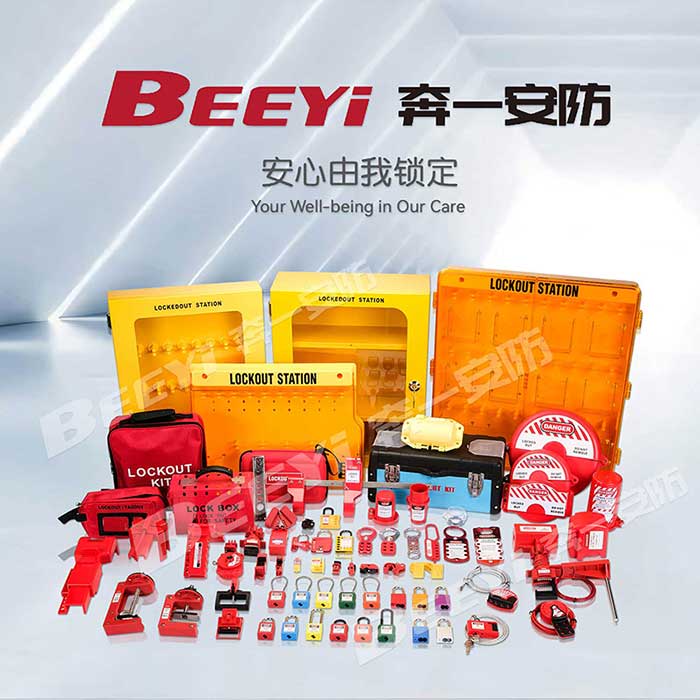
The Importance of Lockout Hasps Lockout hasps are essential safety devices designed to prevent accidental machinery start-ups during maintenance and repair work. They are typically made of durable materials, such as metal or heavy-duty plastic, allowing them to withstand tough industrial environments. The primary function of these devices is to secure multiple padlocks to a single energy-isolating device, thereby ensuring that only authorized personnel can access the machinery during maintenance. In many industries, incidents caused by improper lockout procedures can lead to severe injuries or even fatalities. As such, lockout hasps are mandated under occupational safety regulations in numerous countries. The Occupational Safety and Health Administration (OSHA) in the United States, for instance, emphasizes the necessity of using lockout/tagout procedures to safeguard workers from hazardous energy sources. This regulatory backdrop underscores the vital contribution of lockout hasps factories in manufacturing compliant and reliable safety equipment.