In industrial environments, ensuring the safety of workers is of paramount importance. One essential safety measure employed in such settings is the Safety Padlock application, a crucial part of Lockout/Tagout (LOTO) procedures that helps prevent the accidental release of hazardous energy during maintenance or repair activities. This article delves into the significance of safety padlocks, their applications, and how they contribute to creating a safer working environment.
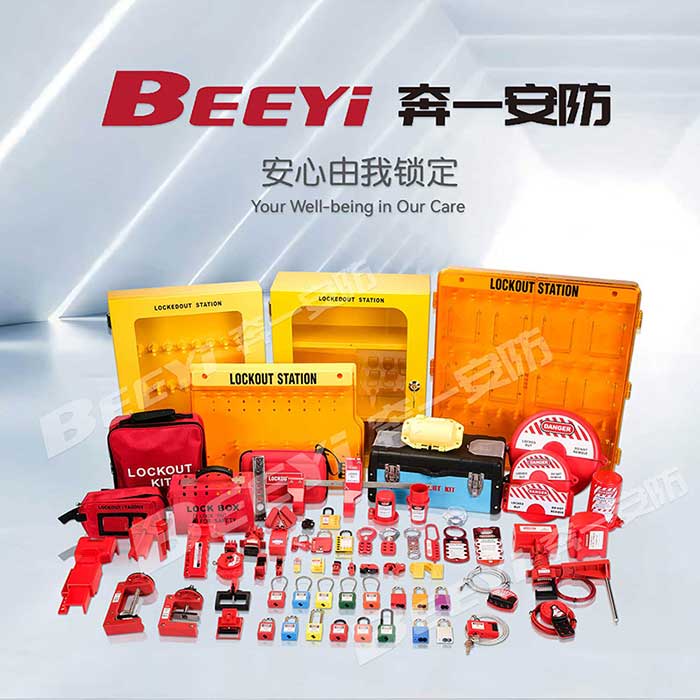
The Role of Safety Padlocks in Lockout/Tagout Procedures The primary function of a Safety Padlock application is to isolate equipment or machinery to prevent unauthorized operation. This is particularly critical during maintenance or servicing tasks, where workers must ensure that machinery remains inactive to avoid accidents. Lockout/Tagout (LOTO) procedures are designed to protect workers from the potential dangers posed by the unexpected activation of equipment. Safety padlocks play a pivotal role in this process by physically locking out energy sources, such as electrical power, gas lines, or pressurized systems, that could cause harm. The Safety Padlock application ensures that only the worker who applied the lock can remove it, thereby preventing others from unknowingly turning on equipment that could be hazardous.