In modern power electronic systems, the management of energy storage components, such as capacitors, is crucial for ensuring safety, reliability, and efficiency. One essential device that facilitates this management is the Capacitor Precharge Circuit Relay. This article discusses the importance of precharge circuits, their operational principles, applications, and benefits in various high-power electrical systems.
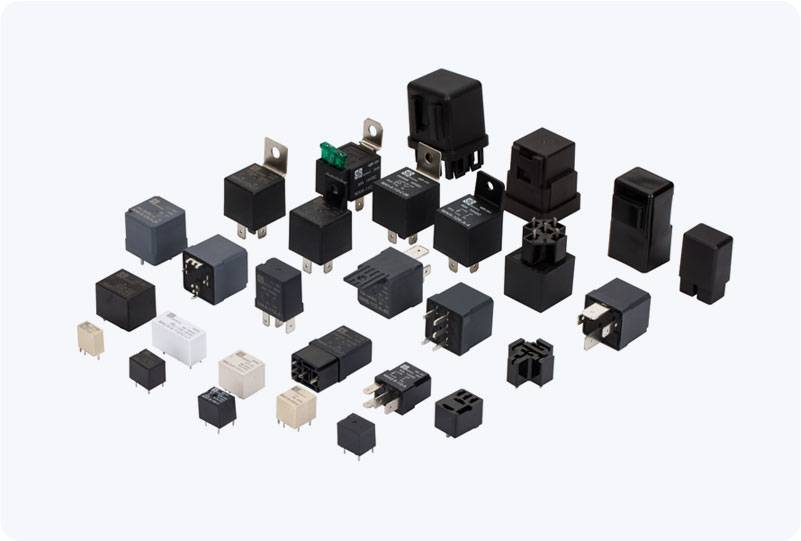
What is a Capacitor Precharge Circuit Relay? The Capacitor Precharge Circuit Relay is a protective device used to regulate the charging process of capacitors before a system is fully energized. This relay incorporates safety mechanisms that prevent excessive inrush currents during the initial connection to the power source, which could potentially damage sensitive components or cause failure in the system. By allowing gradual voltage buildup in the capacitors, this relay ensures a smoother transition to normal operating conditions. Importance of Precharging Capacitors Capacitors play a critical role in stabilizing power supply in various applications, including motor drives, renewable energy systems, and energy storage solutions. However, when connected directly to a high-voltage source without any precharging, the instantaneous current can be significantly high. This sudden surge can lead to: