Ground Fault Protection Relays (GFPR) are crucial components in modern electrical systems, providing a critical safety function by detecting and isolating ground faults. Ground faults, which occur when a live wire comes into contact with the ground or earth, pose significant risks to both people and equipment. These faults can lead to equipment damage, fire hazards, or even electrocution if not promptly addressed. A Ground Fault Protection Relay plays an essential role in safeguarding electrical systems by automatically detecting such faults and initiating appropriate responses to minimize damage and ensure operational safety.
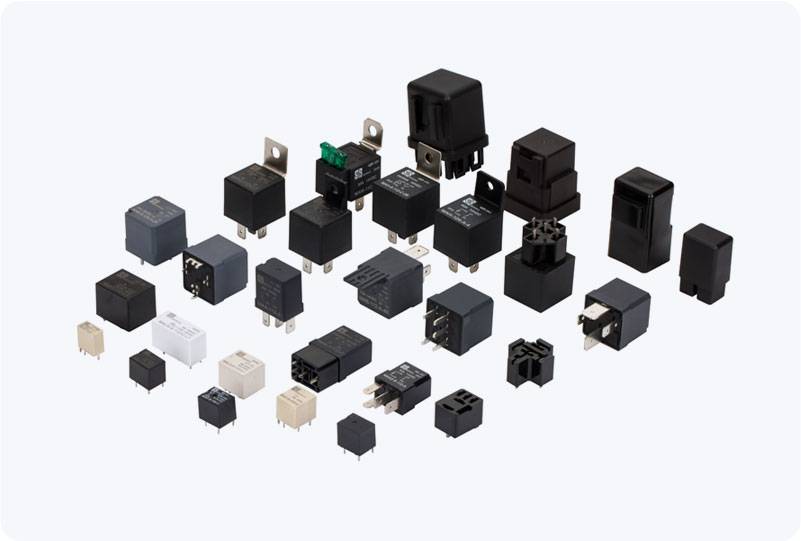
What is a Ground Fault Protection Relay? A Ground Fault Protection Relay is a protective relay that monitors electrical systems for ground faults. Ground faults occur when one of the conductors (usually phase or line conductors) unintentionally makes contact with the earth or ground. This condition may result from various issues such as insulation breakdown, physical damage to cables, or moisture ingress. When a ground fault occurs, the relay detects the abnormal flow of current or voltage and isolates the affected section of the circuit to prevent further damage. The relay typically monitors the zero-sequence current or the voltage between the conductors and the ground. Zero-sequence current refers to the unbalanced current in a three-phase system that flows through the ground. In a properly functioning electrical system, the sum of currents in all three phases is zero, but a ground fault causes an imbalance that the relay can detect.