Lock out padlocks play a vital role in ensuring workplace safety across a wide range of industrial settings. As part of the broader Lockout/Tagout (LOTO) safety procedures, these specialized padlocks are designed to prevent accidental machine start-ups or the release of hazardous energy during maintenance and repair operations. Their purpose is simple yet fundamental: protect workers by physically securing equipment in an off or safe position until it is formally restored to operation.
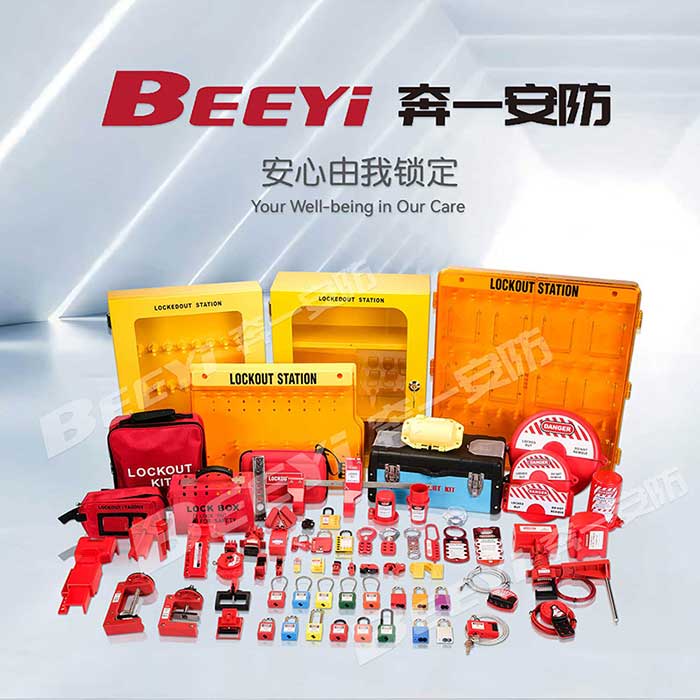
At the core of every lock out padlock is the principle of control and accountability. Unlike standard padlocks, lock out padlocks are engineered to serve as personal safety devices. Each lock is typically assigned to an individual worker, ensuring that only the person who placed the lock can remove it. This one-person-one-lock system eliminates ambiguity and ensures that maintenance personnel can work confidently, knowing that no one else can inadvertently energize the equipment. 1. Distinctive Design for Industrial Reliability Lock out padlocks are crafted with durability and visibility in mind. They are often made from high-strength materials such as reinforced nylon, anodized aluminum, or stainless steel, all of which offer resistance to chemicals, extreme temperatures, moisture, and mechanical wear. This ensures that the locks remain functional and reliable even in harsh environments like factories, oil refineries, or power plants.