In modern cars, electrical systems control everything from the ignition to the lighting, air conditioning, and windows. Central to these systems are relays—small but essential components that act as electrically operated switches. These relays allow the car’s electronic control unit (ECU) to control high-current devices like starters, lights, and pumps by using a low-current signal. However, like any component in a vehicle, relays can fail over time. Understanding the common failure modes of relays in cars is crucial for diagnosing and resolving electrical issues.
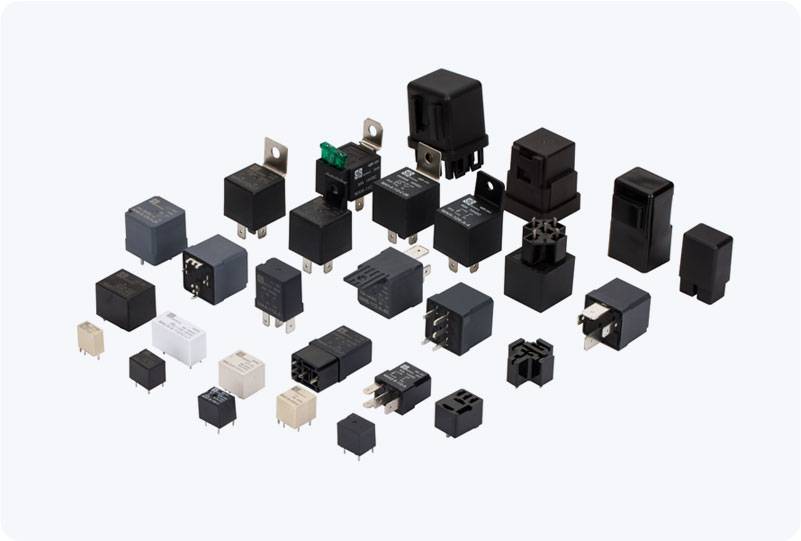
1. Contact Issues (Worn or Corroded Contacts) One of the most common failure modes of relays in cars involves the contacts within the relay. These contacts are responsible for completing the circuit when the relay is activated. Over time, constant switching can cause these contacts to wear out, degrade, or become corroded. This results in intermittent electrical connections, which can cause devices to malfunction sporadically. For example, a car’s power windows may not operate every time, or the headlights might flicker or fail to turn on. In severe cases, corroded contacts might prevent the relay from closing the circuit at all, rendering the associated component inoperative.