Lock out equipment plays a crucial role in ensuring workplace safety, particularly in environments where workers are required to maintain, repair, or inspect machinery and systems. Lockout/tagout (LOTO) procedures are widely used in industries such as manufacturing, energy, and construction to protect workers from the dangers of accidental machine start-up or energy release during maintenance activities. This article will explore the importance, types, and applications of lock out equipment in industrial safety.
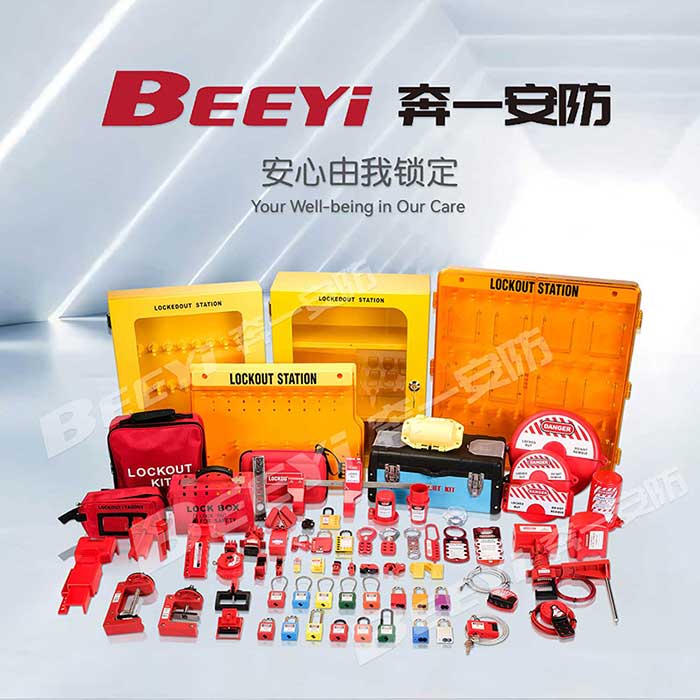
The Importance of Lock Out Equipment Accidents involving machines or electrical equipment are among the most dangerous and common workplace hazards. A worker who is performing maintenance on a machine might not be aware that the machine has been re-energized or that the power has been restored, leading to severe injuries or even fatalities. Lockout equipment is essential in preventing such accidents by physically securing energy sources and rendering equipment inoperable during servicing. The importance of lock out equipment cannot be overstated, as it ensures that maintenance workers are not exposed to hazardous energy sources such as electrical circuits, mechanical systems, pneumatic or hydraulic systems, or thermal energy. It is an indispensable part of any safety program that aims to safeguard the well-being of employees and to prevent workplace injuries and fatalities.