In industrial settings, safety is always a top priority. Workers are often exposed to hazardous environments where heavy machinery, pressurized systems, or dangerous chemicals are involved. One critical safety measure used in these environments is the valve lockout device. These devices play a crucial role in preventing accidents and ensuring the safety of personnel during maintenance, repair, or operation of industrial systems. This article will explore the function, types, benefits, and application of valve lockout devices in industrial safety.
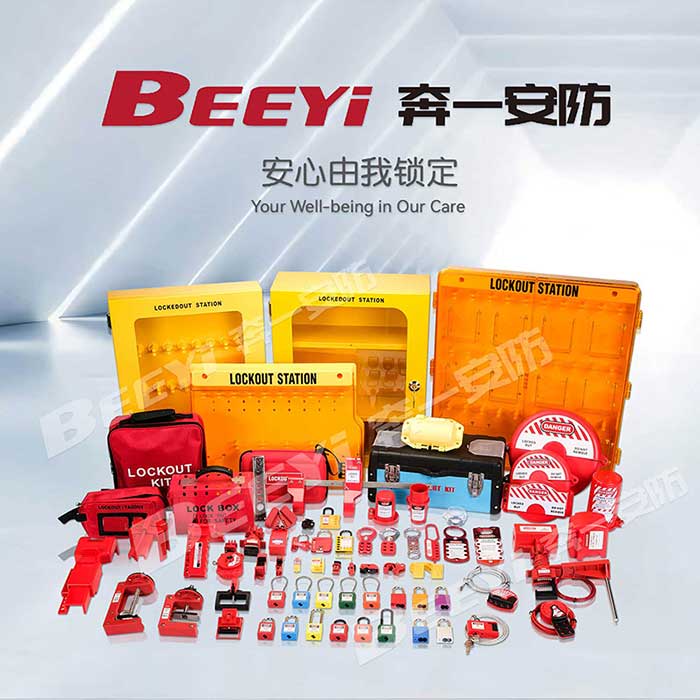
What is a Valve Lockout Device? A valve lockout device is a safety tool designed to secure valves in the “off” position to prevent accidental activation. These devices are used to lock valves in place, ensuring that no one can unknowingly operate them while maintenance or repairs are being carried out. The lockout process typically involves a physical lock that prevents the valve handle from being turned or adjusted. This is essential in industries where valves control the flow of hazardous materials such as gases, chemicals, or pressurized liquids. Types of Valve Lockout Devices There are various types of valve lockout devices, each suited to different kinds of valves and operational requirements. The most common types include: