High Voltage (HV) systems are a vital part of modern electrical infrastructure, responsible for transmitting vast amounts of electrical energy over long distances. While the efficient operation of these systems is essential, the integrity of their insulation is equally crucial. This is where the HV Insulation Fault Relay comes into play. This specialized device is designed to monitor the insulation condition of high-voltage equipment, detecting faults that could lead to catastrophic failures or safety hazards. In this article, we will delve into the functionalities, principles, and significance of HV Insulation Fault Relays in today’s electrical landscape.
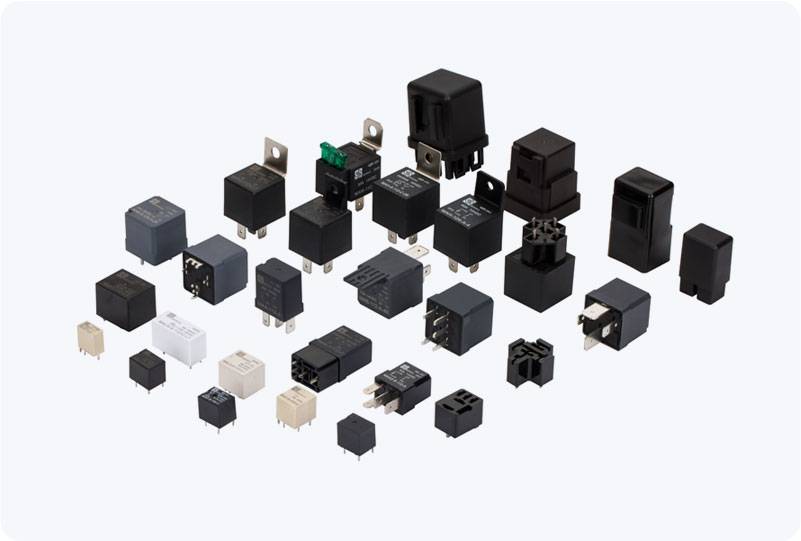
Functionality of HV Insulation Fault Relay The primary function of an HV Insulation Fault Relay is to monitor the insulation level of high-voltage equipment, such as transformers, generators, and switchgear. It does so by measuring the insulation resistance and identifying any deviations from normal operating conditions. When the insulation degrades, it can pose significant risks, including electrical arcing, equipment failure, and even fire hazards. The relay acts as an early warning system, providing real-time monitoring and enabling timely intervention to avoid accidents. HV Insulation Fault Relays typically perform two main functions: insulation resistance measurement and leakage current detection. By applying a specified voltage, the relay can measure the resistance of the insulation. A drop in insulation resistance can indicate potential faults, prompting immediate action. Additionally, these relays monitor for leakage currents that could signify insulation breakdown or degradation. If the measured values exceed predetermined thresholds, the relay triggers alarms and can initiate protective actions, such as disconnecting the faulty equipment from the power supply.