The AC Motor Relay is a crucial component in the realm of electrical engineering, specifically designed for controlling and protecting alternating current (AC) motors. These devices are instrumental in various industrial and commercial applications, ensuring the safe and efficient operation of electric motors. This article delves into the fundamental aspects of AC motor relays, including their functions, types, working principles, and applications.
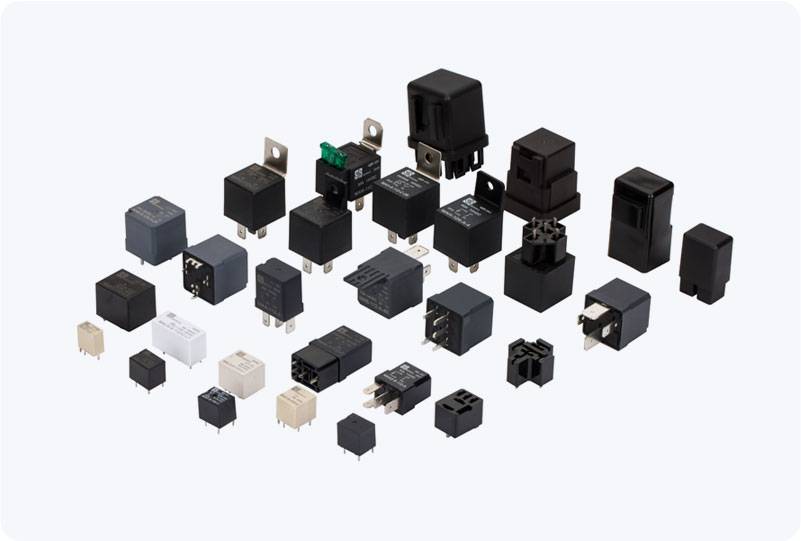
Functions of AC Motor Relay The primary function of an AC motor relay is to control the operation of an AC motor by managing its power supply. This is achieved by opening and closing the electrical circuit that powers the motor. The relay typically operates based on an input control signal, allowing for remote or automated control of the motor’s operation. One of the critical protective functions of an AC motor relay is overload protection. In scenarios where the motor experiences excessive current flow, the relay can automatically disconnect the power supply, safeguarding the motor from potential damage due to overheating or electrical faults. This feature is particularly essential in industrial applications where motors operate under varying loads and conditions.