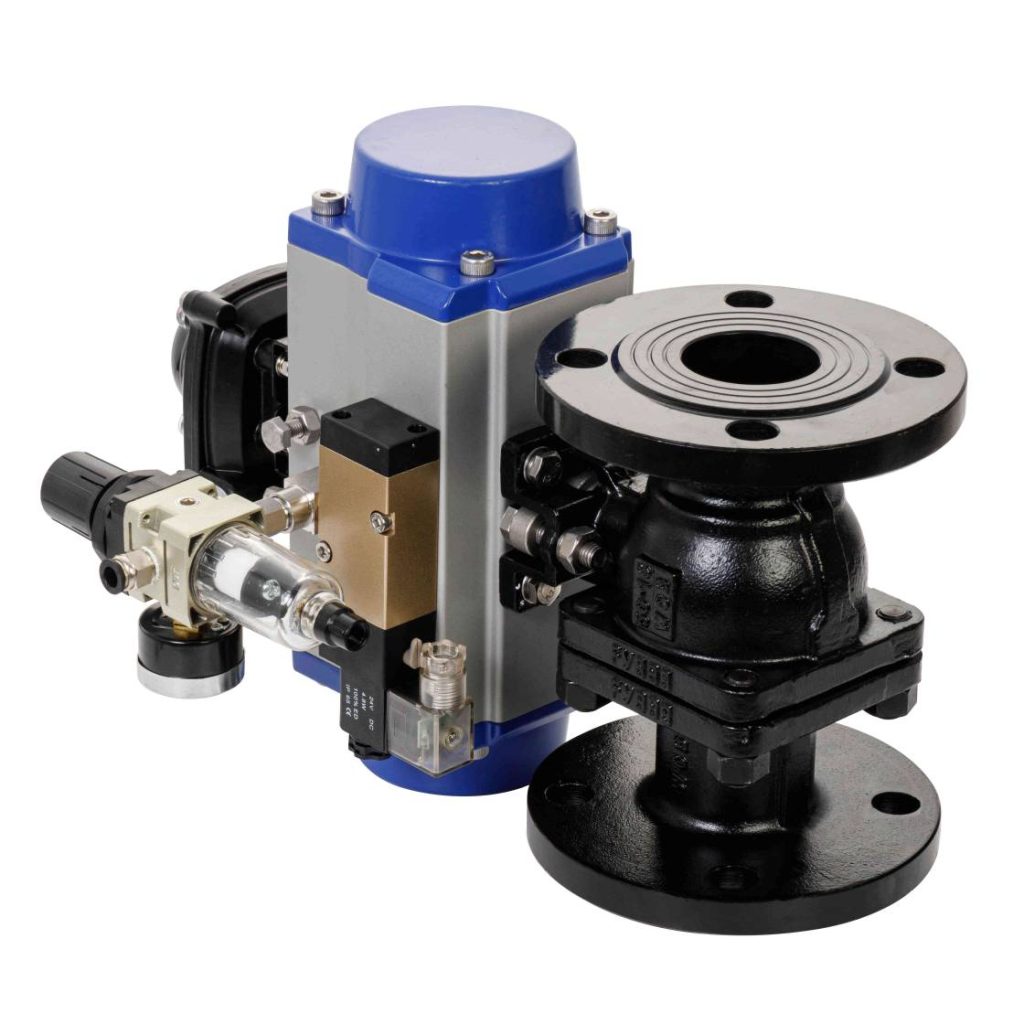
In the realm of industrial automation and fluid control, the WCB Pneumatic Ball Valve is a vital component. Known for its reliability, durability, and versatility, this type of valve has become a preferred choice for many industries, including oil and gas, chemical processing, and manufacturing. This article delves into the features, advantages, and applications of WCB Pneumatic Ball Valves, highlighting why they are essential in modern fluid control systems.
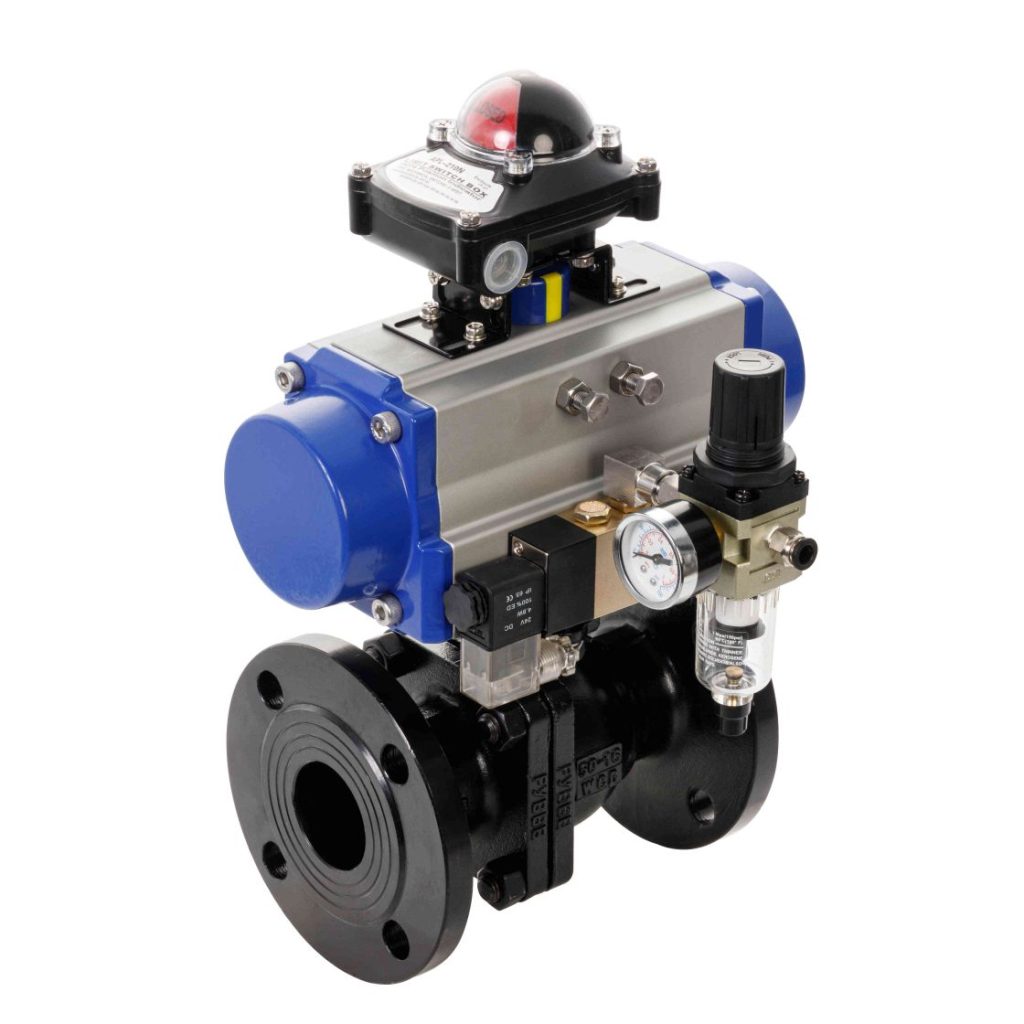
What is a WCB Pneumatic Ball Valve?
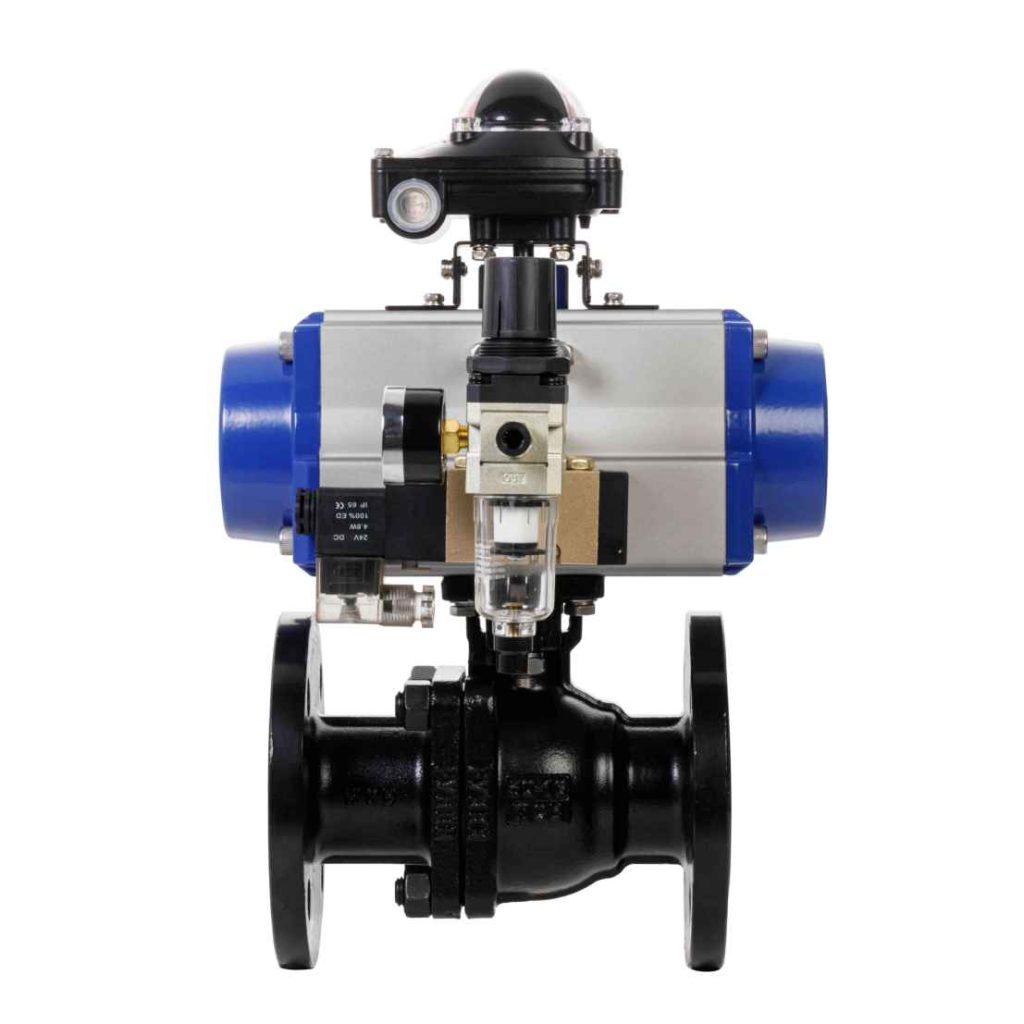
A WCB Pneumatic Ball Valve is a type of valve that uses compressed air to operate a ball valve mechanism. The “WCB” refers to the material of the valve body, which is a carbon steel alloy that is commonly used for manufacturing ball valves. Pneumatic ball valves are operated by a pneumatic actuator, which is controlled by an air supply. The valve is designed with a spherical closure element that rotates to open or close the flow path, allowing precise control over the fluid flow. Key Features of WCB Pneumatic Ball Valves Pneumatic Operation: Unlike manual ball valves, which require human intervention for operation, pneumatic ball valves are controlled by air pressure. This feature makes them ideal for automated systems, where remote control and quick response times are crucial.