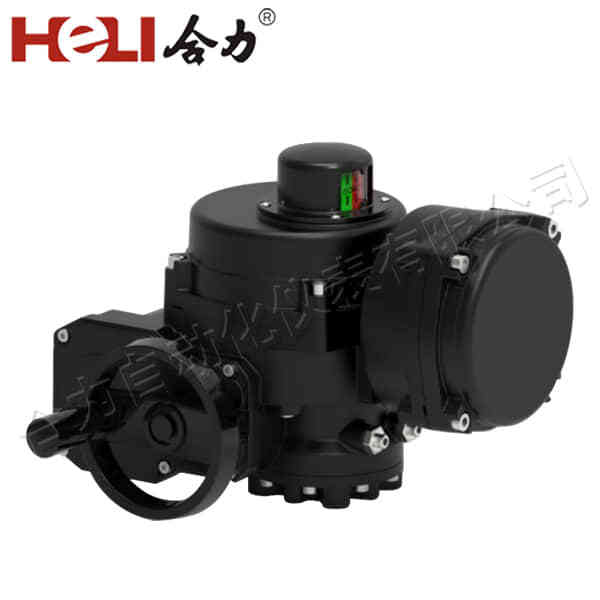
In the ever-evolving landscape of industrial automation, electric actuator valves have emerged as crucial components that enhance process efficiency, accuracy, and safety. These sophisticated devices are integral to controlling the flow of various media, including gases, liquids, and slurries, in multiple applications ranging from water treatment to chemical processing. This article delves into the fundamental aspects of electric actuator valves, their advantages, shortcomings, applications, and considerations for selection.
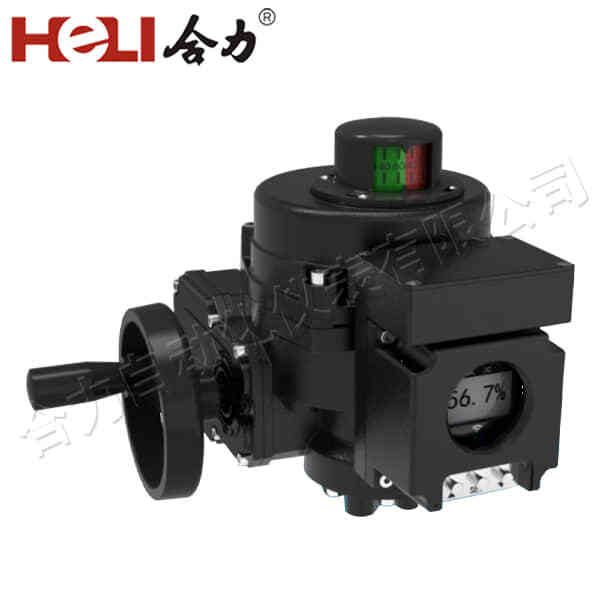
What is an Electric Actuator Valve?
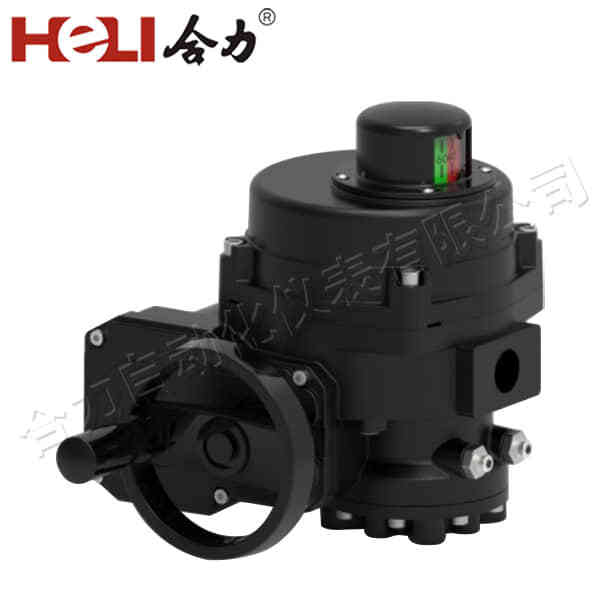
An electric actuator valve consists of a valve operated by an electric actuator. The actuator converts electrical energy into mechanical motion, controlling the opening and closing of the valve. Common types of valves used include ball valves, butterfly valves, gate valves, and globe valves, each serving specific functions based on the application’s requirements. Working Principle The primary operation of an electric actuator valve involves a motor, typically an AC or DC electric motor, which drives the shaft connected to the valve mechanism. When an electrical signal is sent from a control system, the electric motor rotates, moving the valve to the desired position—fully open, fully closed, or anywhere in between. This precise control enables accurate modulation of flow rates and pressure within a system.