Relay circuit design plays a fundamental role in modern electronic systems, enabling the control of high-voltage and high-current devices through lower voltage signals. A relay is an electromechanical switch that allows a circuit to be opened or closed by electrical means, making it a critical component in various applications from industrial automation to consumer electronics. This article delves into the essential principles of relay circuit design, its components, and its diverse applications.
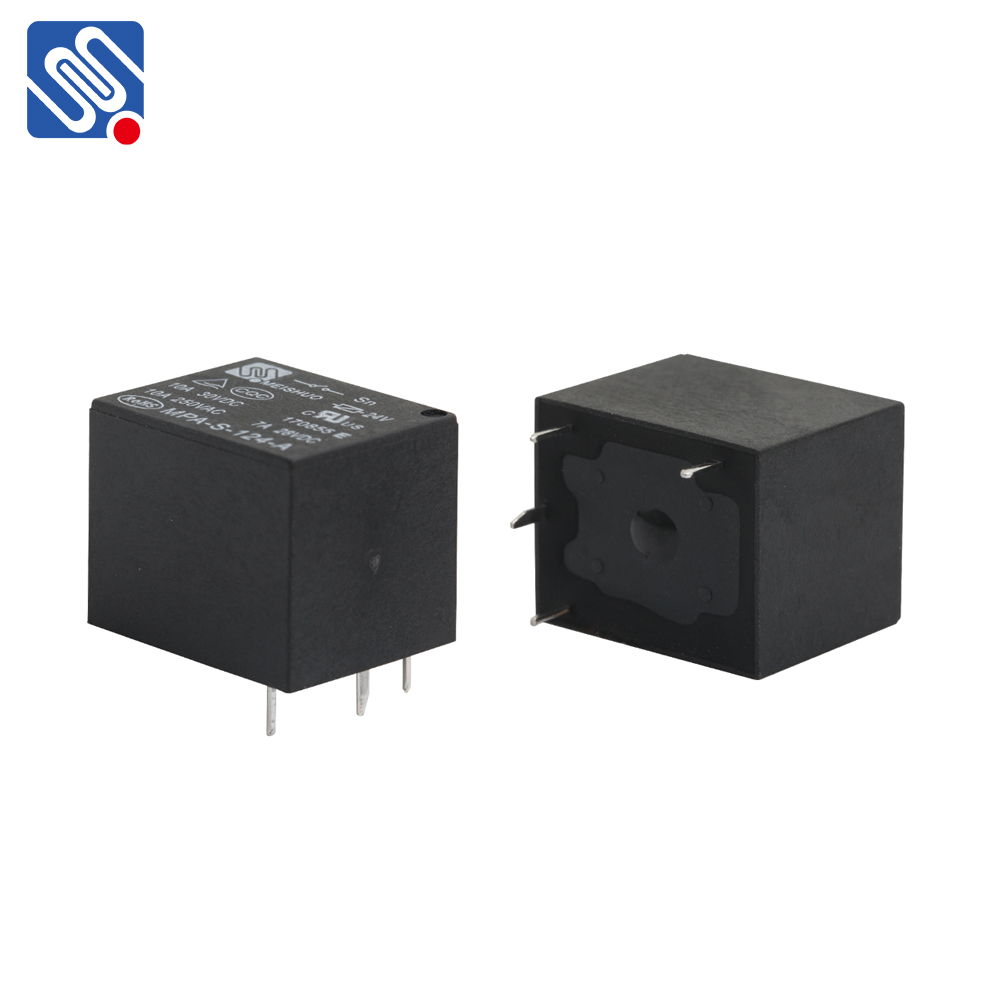
Understanding Relay Basics A relay typically consists of an electromagnetic coil, an armature, and contacts. When an electrical current flows through the coil, it generates a magnetic field that attracts the armature, either closing or opening the contacts. This action allows the relay to control a higher power circuit using a much lower power control signal, making it a versatile tool for electrical engineers. Relays come in various types, each suited to specific applications, including electromagnetic relays, solid-state relays (SSRs), and time delay relays. Key Components of Relay Circuit Design