In today’s rapidly evolving technological landscape, the need for robust and reliable electrical components has never been more critical. Among these components, TE Connectivity’s High Voltage (HV) Relay stands out as an essential element for various applications in automotive, industrial, and energy sectors. This article delves into the features, applications, and benefits of TE Connectivity HV Relays, providing a comprehensive overview of why these devices are indispensable in managing high voltage systems.
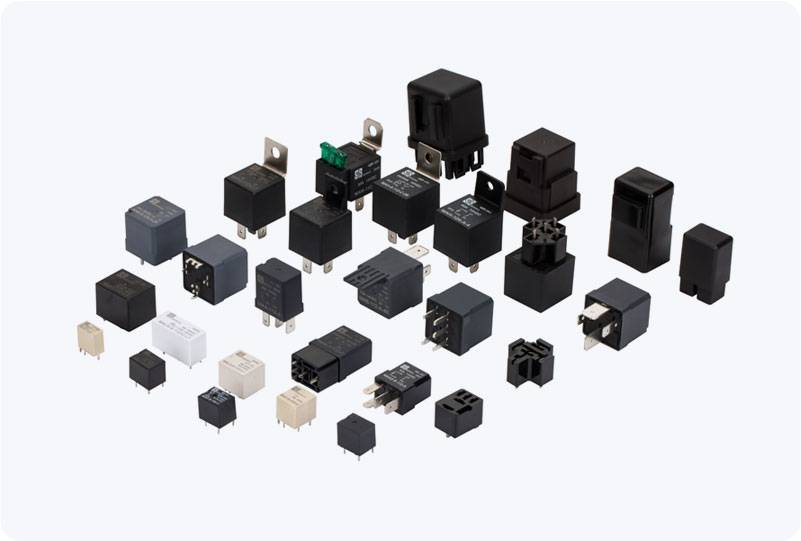
The Role of HV Relays High voltage relays are designed to switch electrical circuits on and off while handling high voltage and current levels. TE Connectivity HV Relays are engineered to manage voltages that can reach several thousand volts and currents that can exceed hundreds of amps. The primary function of these relays is to act as a protective mechanism and switching device within electrical systems, ensuring safe operation even under demanding conditions. Structure and Design
A typical TE Connectivity HV Relay comprises several core components, including an electromagnetic coil, contact points, and a protective housing. When an electrical current passes through the coil, it generates a magnetic field that either opens or closes the contact points, facilitating the flow of electricity. The relay’s design allows for rapid switching, making it ideal for applications that require immediate responses to changing electrical demands.