Electrical equipment lockouts are crucial safety measures in industrial and commercial settings where electrical systems are regularly maintained, serviced, or repaired. Lockout procedures prevent accidental energization of electrical equipment during maintenance, significantly reducing the risk of workplace injuries and fatalities. In bulk order contexts, where a large number of devices and tools are required for ensuring safety across an organization, the efficiency, cost-effectiveness, and reliability of lockout systems are essential. This article discusses the importance of electrical equipment lockouts, the advantages of bulk ordering, and best practices for implementing a comprehensive lockout program in any workplace.
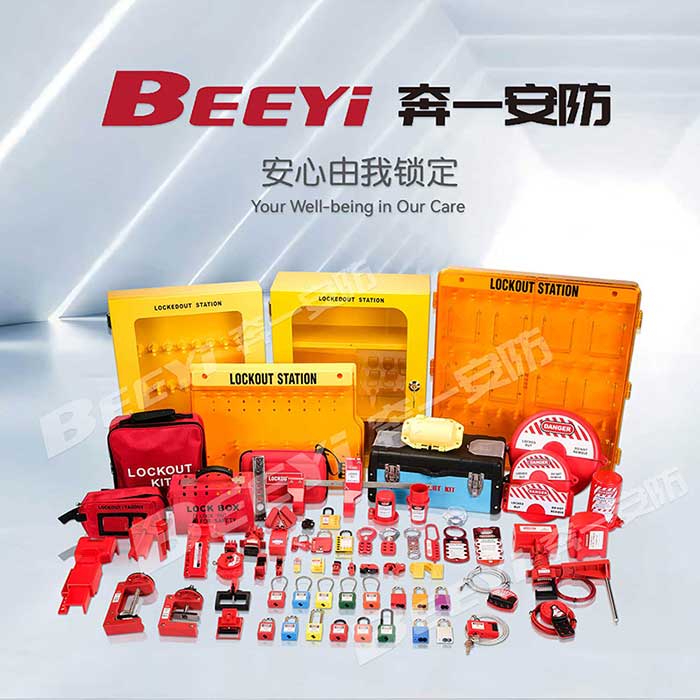
Understanding Electrical Equipment Lockouts Electrical equipment lockouts are safety devices used to isolate electrical equipment from its power source during maintenance or repair activities. They prevent workers from accidentally energizing or starting machinery that is under maintenance, minimizing the risk of electrical shock, burns, and other accidents. Common lockout devices include lockout hasps, circuit breaker lockouts, plug lockouts, and valve lockouts, each designed to secure specific equipment, such as circuit breakers, switches, or control panels. The Occupational Safety and Health Administration (OSHA) in the United States has strict guidelines regarding lockout/tagout (LOTO) procedures to ensure worker safety during the servicing of machinery. These regulations are aimed at enforcing proper control of hazardous energy sources to prevent injury. For businesses that deal with a high volume of equipment and frequent maintenance, having a well-organized lockout system is not just a legal requirement but an integral part of a workplace safety program.