In the intricate world of automotive systems, communication between various electrical components is essential for smooth operation. One critical component that plays a pivotal role in this communication is the relay. Relays are electromechanical switches that control high-current circuits through low-current inputs. While robust in design, relays are susceptible to various failure modes that can impact vehicle functionality. Understanding these failure modes is crucial for diagnosing electrical issues and ensuring vehicle safety.
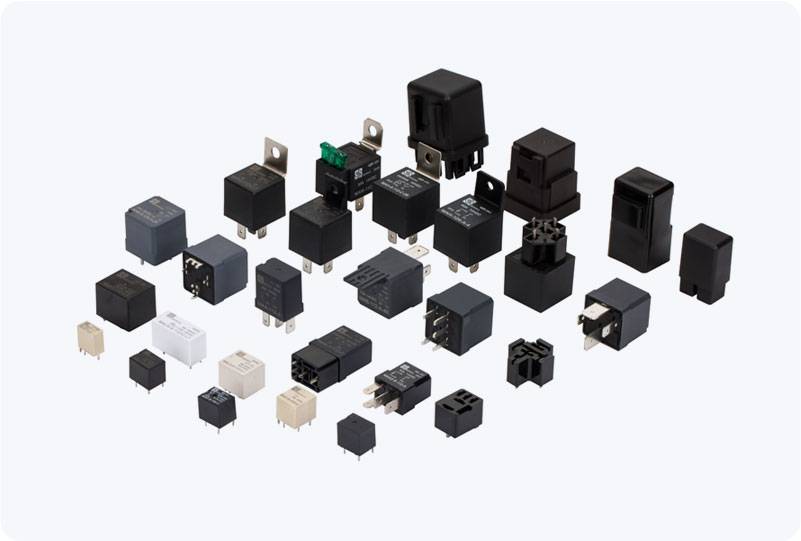
Common Relay Failure Modes Poor Contact: One of the most common failure modes in relays is poor contact between internal components. Over time, the contact points may accumulate dirt, oxidation, or corrosion, which can prevent proper electrical connectivity. This may result in intermittent operation of systems reliant on the relay, such as headlights or cooling fans. Drivers may notice peculiar behavior, such as flickering lights or fluctuating fan speeds, indicating potential relay issues. Inability to Activate: When the coil within a relay becomes damaged due to overheating or a surge of electrical current, the relay may fail to activate. This scenario is particularly problematic for starting systems, where the relay must engage to allow current to flow to the starter motor. Without activation, the vehicle may fail to start altogether, leaving the driver stranded and in need of immediate assistance.