The 220V AC relay is a widely used electrical component that allows for the control of high-voltage devices with low-voltage circuits. Essentially an electrically operated switch, a relay provides the ability to control large currents or voltages (such as 220V AC) with a much smaller control current, making it an essential tool in various industrial, automotive, and household applications. This article explores the working principle, construction, applications, and key considerations when using a 220V AC relay.
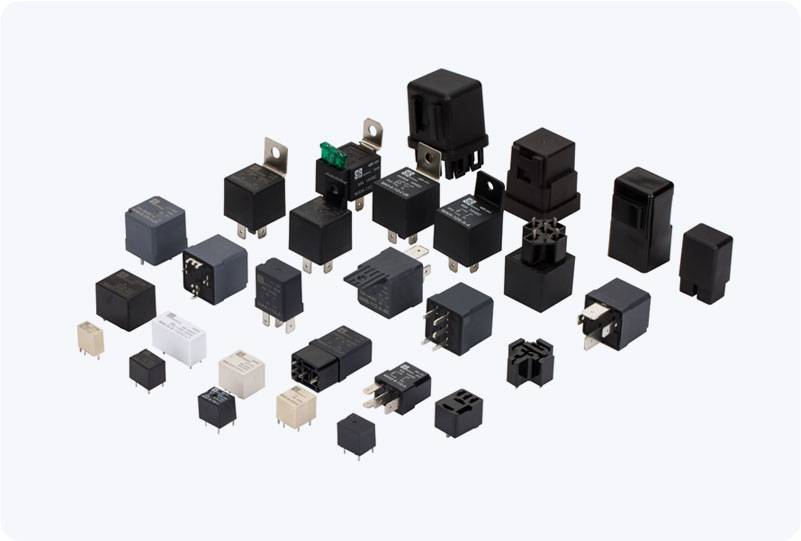
What is a 220V AC Relay? A relay is an electrically operated switch that uses an electromagnet to control one or more sets of contacts. The 220V AC relay, specifically, is designed to control high-voltage AC circuits, such as the standard household AC supply (220V), from a low-voltage control circuit (usually DC). The relay consists of two main parts: the coil and the contacts. The coil, when energized, generates a magnetic field that moves the armature, thus closing or opening the contacts. The relay is often classified by its rated coil voltage, which, in the case of the 220V AC relay, corresponds to an AC voltage of 220V. These relays can handle much higher currents and voltages than what their low-voltage control circuits can directly manage. This makes them crucial for controlling large electrical appliances, industrial machinery, and even automated systems in smart homes.