The 12V 100A Relay is a powerful and versatile electrical component used in various applications where high current switching is necessary. It allows a low-voltage control circuit to switch a much higher voltage or current circuit, providing a safe and efficient way to control large power loads. In this article, we will explore the key features, applications, and advantages of the 12V 100A relay, as well as the important factors to consider when using one.
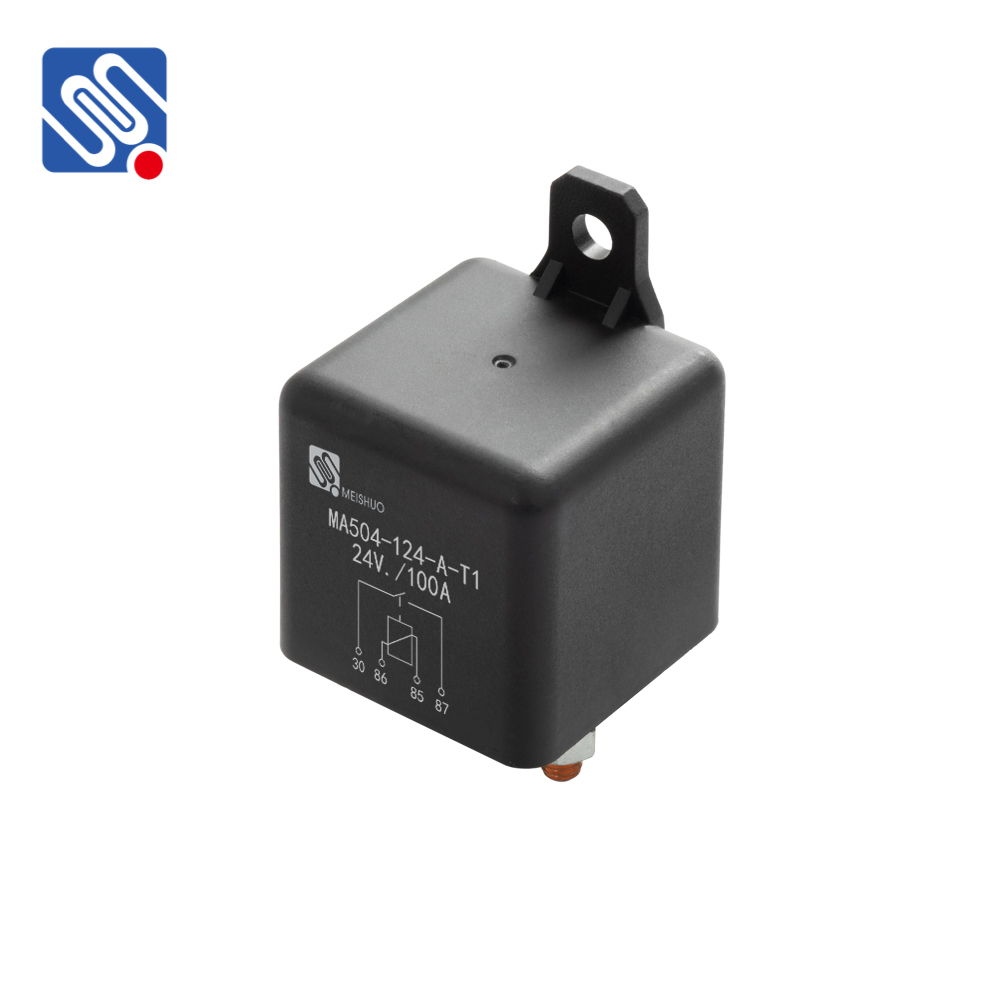
What is a 12V 100A Relay? A relay is an electrically operated switch that allows a low-power control signal to control a larger power circuit. The 12V 100A Relay operates with a 12V direct current (DC) control voltage and is capable of switching loads up to 100 amps. This type of relay is ideal for controlling high-power devices like motors, high-current lights, or heating elements. It uses a solenoid (an electromagnetic coil) to create a magnetic field that moves the internal switch, either opening or closing the contacts. Key Features of the 12V 100A Relay High Current Rating: As the name suggests, a 12V 100A relay can handle up to 100 amps of current. This makes it suitable for applications that require the switching of large electrical currents without directly handling the high power with the control circuit.