When it comes to designing electrical systems or automation controls, choosing the right relay is crucial. A relay is an essential device in many electronic and electrical systems, acting as an intermediary between different circuits, allowing one circuit to control the operation of another. Whether you’re managing a large industrial installation or designing a small automation project, understanding how to procure relays properly can save both time and money, and ensure reliability in your system. This Relay Procurement Guide outlines the key factors to consider when selecting and procuring relays for your project.
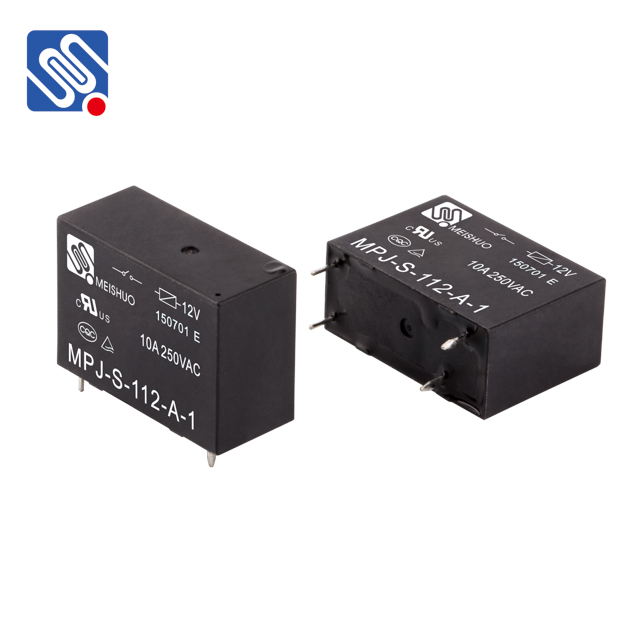
Understanding the Basics of Relays A relay is an electrically operated switch that allows one circuit to control another. It typically uses an electromagnet to open or close a set of contacts in another circuit. The basic function of a relay is to enable a low power circuit to control a high power circuit without direct electrical connection between the two. There are various types of relays, including electromagnetic, thermal, solid-state, and time-delay relays. The choice of relay depends on factors like the nature of the application, voltage and current ratings, environmental conditions, and switching speed.