Solenoid valves play an essential role in modern industrial automation systems by regulating the flow of fluids, such as gases, water, and oils. These devices, powered by electromagnets, provide precise control in a variety of processes, ranging from HVAC systems to manufacturing equipment. As industries continue to advance, the demand for high-quality, reliable solenoid valves has grown exponentially. This article delves into the role of a solenoid valve manufacturer in the development of these critical components, focusing on their contributions to efficiency, precision, and innovation in industrial applications.
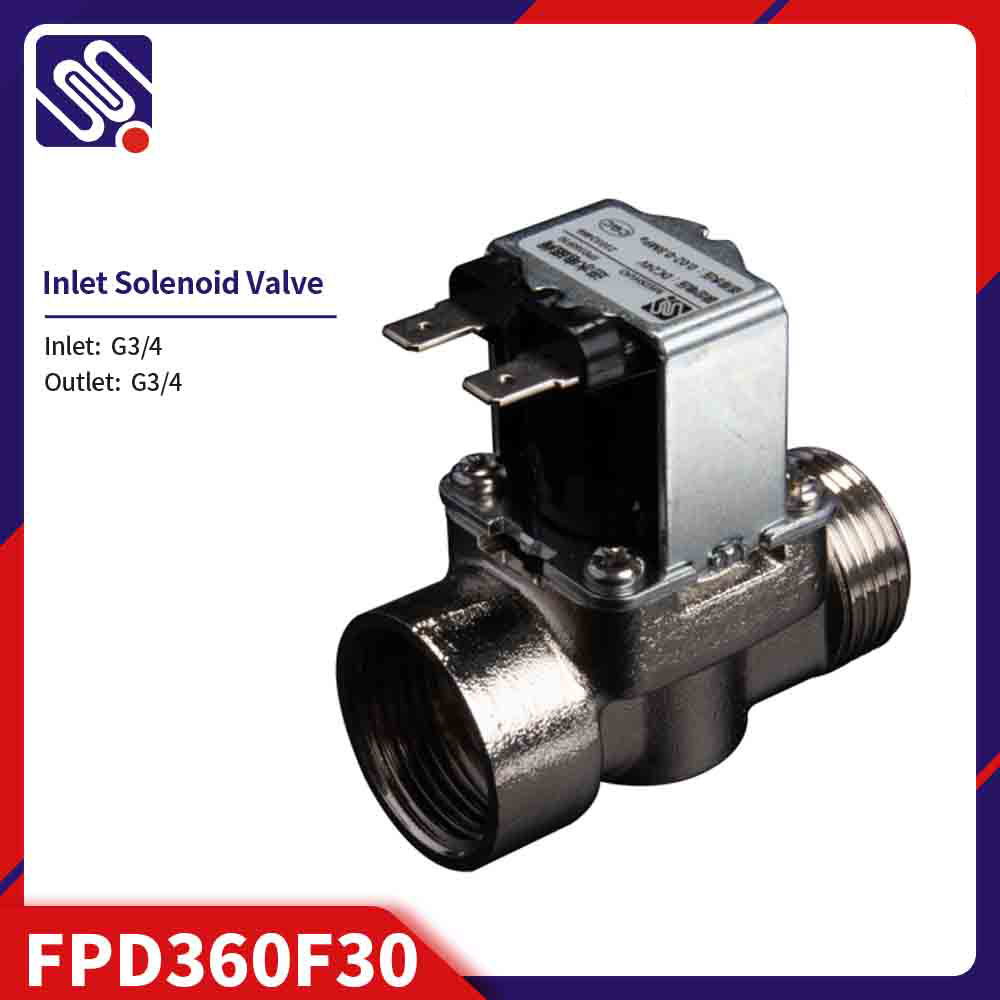
Understanding Solenoid Valves A solenoid valve is an electromechanical device that controls the flow of a fluid or gas in a system. When the solenoid coil is energized, it generates a magnetic field, which in turn actuates the valve to either open or close. This on/off control mechanism makes solenoid valves a vital part of automated systems where precise and reliable fluid control is needed. Solenoid valves are used in various applications, including water treatment plants, automotive systems, medical devices, and industrial machinery. Solenoid valves are typically categorized into several types based on their design, such as direct-acting, pilot-operated, and proportional valves. Each type serves different needs depending on factors like the type of fluid, pressure, and flow rate required for the application. For instance, a direct-acting solenoid valve is often used for low-flow, low-pressure applications, while pilot-operated valves are more suited for larger, high-pressure systems.