Hydrogen energy has emerged as one of the most promising solutions for sustainable energy production, and with it, the need for advanced systems to regulate and control hydrogen gas flow has grown significantly. Among these systems, the Hydrogen Energy Electric Two-Seat Regulating Valve plays a crucial role in ensuring the safe and efficient operation of hydrogen-based energy systems. This article explores the significance, design, and applications of these valves in the hydrogen energy sector.
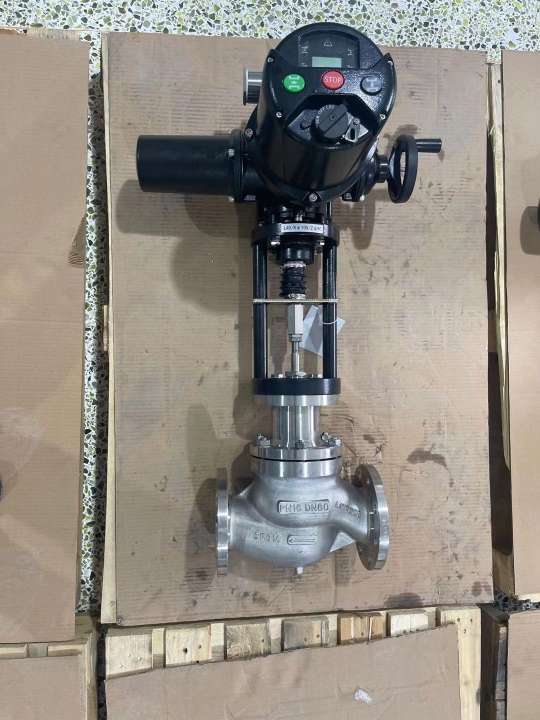
The Importance of Regulating Valves in Hydrogen Energy Systems Hydrogen, being a clean fuel with zero carbon emissions when used in fuel cells, is increasingly being used in various sectors, from transportation to energy production. However, handling hydrogen gas comes with unique challenges due to its high flammability, small molecular size, and low density. Precise control of its flow and pressure is essential to ensure safety, efficiency, and performance in hydrogen storage, transportation, and fuel cell applications. This is where regulating valves come into play. These valves are designed to control the flow of hydrogen gas through pipelines, storage tanks, and other components of the hydrogen energy system. The electric two-seat regulating valve is one of the most advanced types of valves, offering high accuracy, reliability, and remote control capabilities. It consists of two seats that provide enhanced sealing and flow control, ensuring that the hydrogen gas is regulated effectively under various operating conditions.