Relay drive systems play a crucial role in modern electronic control and automation, bridging the gap between low-power control signals and high-power devices. By using electrical relays, these systems provide an effective method for controlling large electrical loads with smaller, more manageable signals. In this article, we will explore the key concepts behind relay drives, how they work, and their applications in various fields.
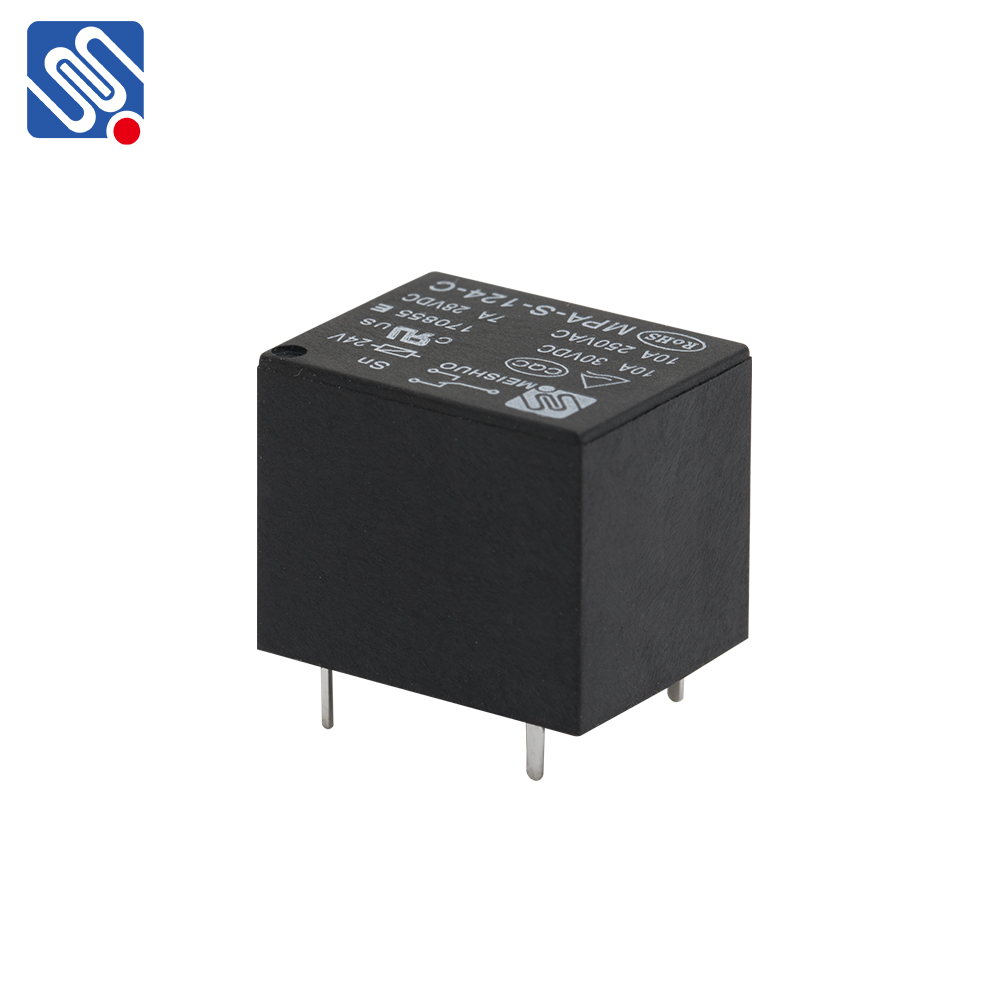
What is a Relay Drive? A relay drive system utilizes a relay—a type of electrically operated switch—to control the flow of electricity in a circuit. Relays are used in a wide variety of applications where electrical isolation and the ability to switch higher-power devices using lower-power control signals are required. The basic operation of a relay involves an electromagnet that, when energized, pulls a switch to connect or disconnect contacts in a circuit. These contacts can either be normally open (NO) or normally closed (NC), allowing the relay to act as a versatile switching mechanism.