In the realm of electrical engineering and automation, the Low Voltage DC Relay plays a crucial role in controlling and managing the flow of electricity in circuits. With the growing demand for efficient and reliable devices in various applications, understanding the components, operational principles, and benefits of low voltage DC relays has become increasingly important. This article provides a comprehensive insight into these relays, highlighting their functionality and versatility across different fields.
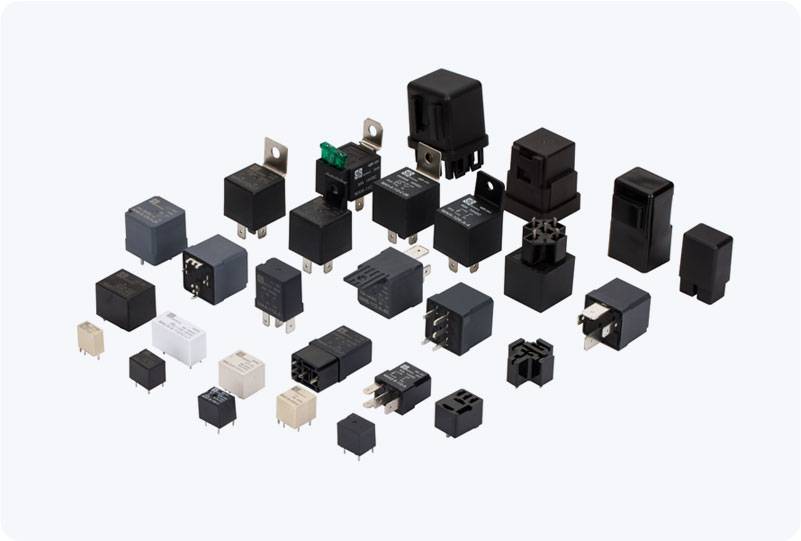
What is a Low Voltage DC Relay? A Low Voltage DC Relay is an electromechanical switch that uses an electromagnetic coil to control the opening and closing of one or more sets of contacts. Typically, these relays operate at voltages below 60 volts in direct current (DC) applications. They are designed to control power circuits or signals, making them essential for integrating different systems and ensuring safe operation. Operational Principles At the core of a Low Voltage DC Relay is its simple yet effective mechanism. When the coil is energized by a DC voltage, it generates a magnetic field that attracts a movable armature or lever. This action causes the armature to either connect to or disconnect from fixed contacts. When the coil is de-energized, a spring mechanism returns the armature to its original position, re-establishing or breaking the connection between the contacts.