In modern electrical and electronic systems, relays play a crucial role in switching operations, especially in high-power and high-current applications. However, a significant challenge that arises in these systems is the phenomenon of contact welding in power relays. When a relay operates under high load or switching conditions, the contact points can experience severe wear, corrosion, or even welding, leading to malfunction or failure. Addressing this issue is essential to ensure the reliability, safety, and longevity of electrical systems. This article explores Power Relay Contact Welding Solutions and the strategies used to mitigate this problem in various industrial applications.
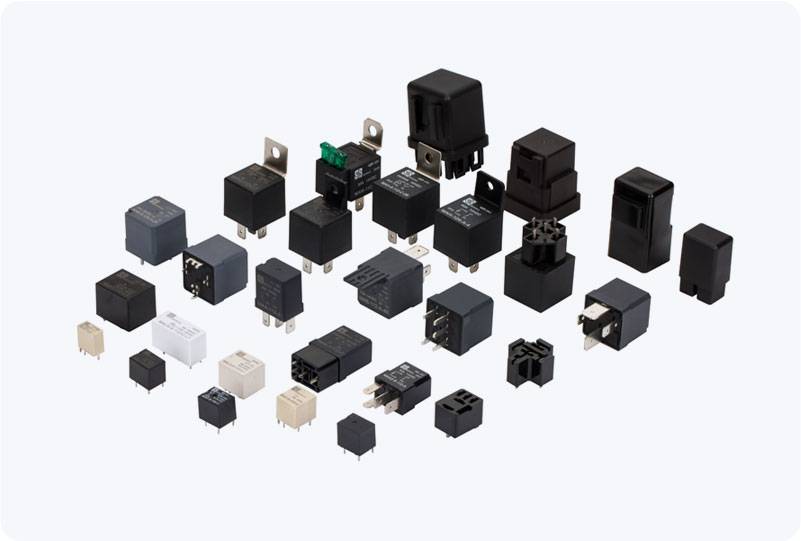
Understanding Contact Welding in Power Relays Contact welding in power relays occurs when the relay’s contacts, typically made of silver or other conductive metals, fuse together due to excessive heat generated by high current or voltage. This phenomenon is often a result of arcing — the spark produced when electrical contacts open and close under load. Over time, repeated arcing can degrade the contact surfaces, causing pitting, oxidation, and eventually welding, where the contacts remain stuck together, rendering the relay inoperable. Several factors contribute to the likelihood of contact welding, including: