In today’s fast-paced industrial world, precision control of fluid flow is crucial for a wide range of applications, from laboratory experiments to sophisticated manufacturing systems. One key component that plays a pivotal role in this control is the Low Flow Solenoid Valve. These valves are designed to manage and regulate low fluid flow rates, making them indispensable in systems where accuracy and reliability are paramount. In this article, we will delve into the functionality, applications, and key features of Low Flow Solenoid Valves, highlighting their importance in modern technology.
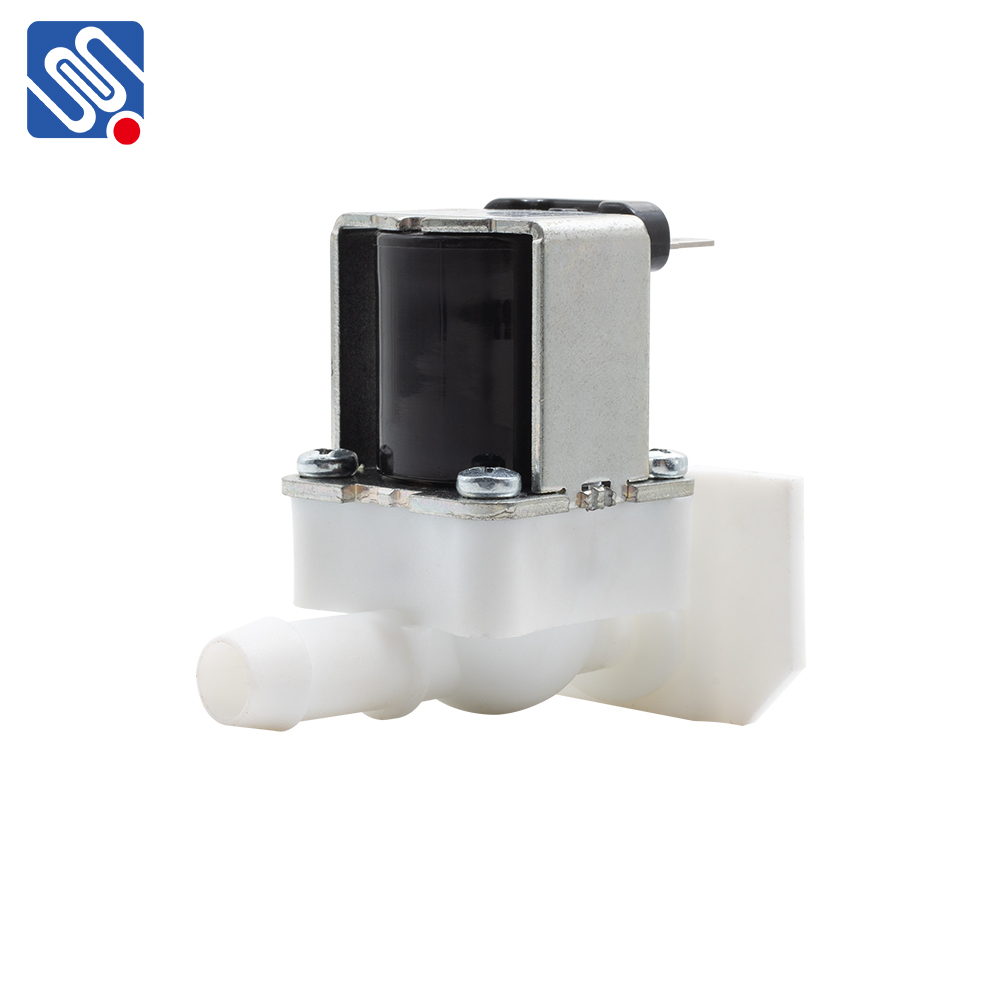
What is a Low Flow Solenoid Valve? A Low Flow Solenoid Valve is an electromechanical device that uses an electric current to control the opening and closing of a valve. The primary function of this valve is to regulate the flow of fluids (such as air, gas, or liquids) in systems requiring precise control at low flow rates. The valve operates by utilizing a solenoid coil, which, when energized, creates a magnetic field that moves a plunger, either opening or closing the valve, thus controlling the flow of the fluid through the system. Key Features of Low Flow Solenoid Valves Precision Flow Control: One of the most prominent features of Low Flow Solenoid Valves is their ability to precisely regulate very small amounts of fluid. This makes them ideal for applications where the flow must be controlled within a narrow range, such as in laboratory experiments or microfluidic systems.