In modern industrial automation, the smooth and efficient operation of electric motors is crucial. One of the essential components that facilitate this is the Motor Control Power Relay (MCPR). This versatile device not only helps in controlling the operation of motors but also plays a significant role in protecting them. This article explores the functions, types, applications, and maintenance of Motor Control Power Relays.
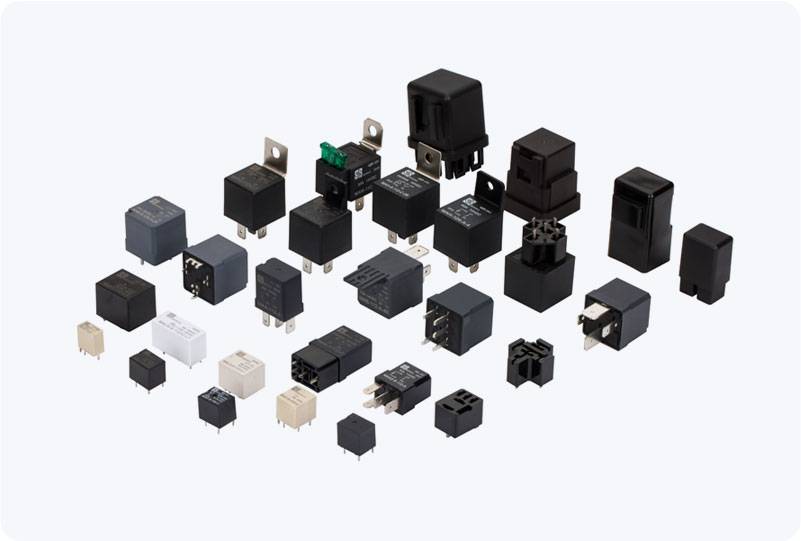
What is a Motor Control Power Relay? A Motor Control Power Relay is an electromechanical switch that uses an electromagnetic coil to control the flow of electrical power to a motor. When voltage is applied to the coil, it generates a magnetic field that pulls a lever, opening or closing contacts in the relay. This mechanism allows the relay to turn the motor on or off, thereby enabling precise control over the motor’s operation. Key Functions 1. Motor Protection One of the primary functions of a Motor Control Power Relay is to protect the motor from various electrical faults. Relays are equipped with overload sensors that deactivate the motor when excessive current is detected, preventing overheating and potential damage. They can also sense short circuits or voltage spikes, automatically disconnecting the power supply to safeguard the motor.