Low Flow Solenoid Valves (LFSVs) are critical components in fluid handling systems, particularly in applications where precise control over small volumes of liquids or gases is required. As the name suggests, these valves are designed to operate effectively at low flow rates, ensuring accurate flow regulation in systems where traditional valves might be too large or inefficient. This article explores the features, applications, and considerations surrounding low flow solenoid valves, highlighting their importance in industries ranging from medical devices to microfluidic systems.
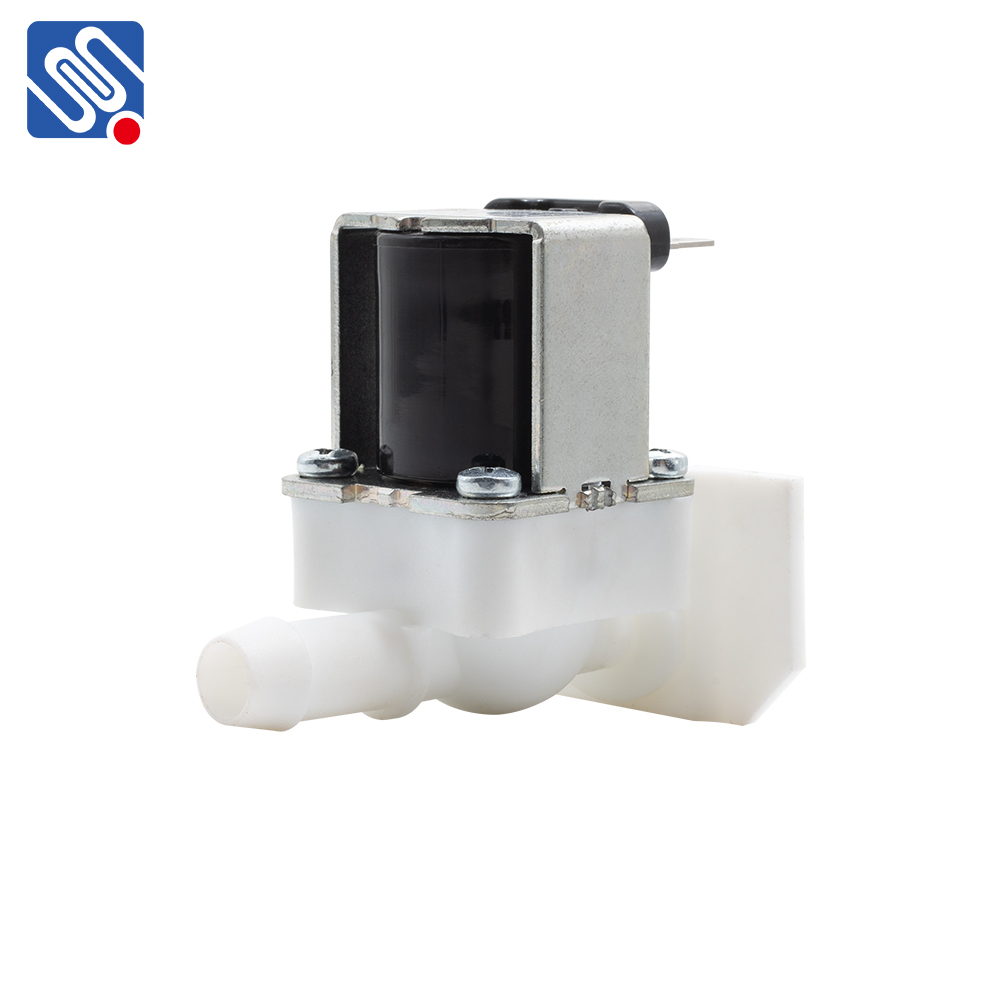
What is a Low Flow Solenoid Valve? A Low Flow Solenoid Valve is an electromagnetic valve that opens or closes to control the flow of fluids. It consists of a solenoid coil that, when energized, generates a magnetic field to move a plunger or armature, thereby controlling the valve’s opening. The valve’s size, internal mechanism, and operating pressure are optimized for low-flow applications, making them ideal for applications where precision and minimal fluid consumption are essential. These valves are typically used to control the flow of both gases and liquids in applications that require exact flow rates, such as in scientific research, laboratory experiments, medical devices, and small-scale manufacturing. Due to their compact size and quick response time, low flow solenoid valves provide a level of control that traditional valves cannot match in these specific environments.