In today’s increasingly interconnected world, the demand for reliable and safe electrical components has never been greater. At the heart of many electrical systems lies the relay — an electromechanical device that facilitates the control of electrical circuits. However, not all relays are created equal. For manufacturers and consumers alike, CE ROHS certified relays represent a crucial standard of quality, safety, and environmental responsibility. In this article, we will explore what CE and ROHS certifications entail, their significance in the relay industry, and the broader implications for safety and sustainability.
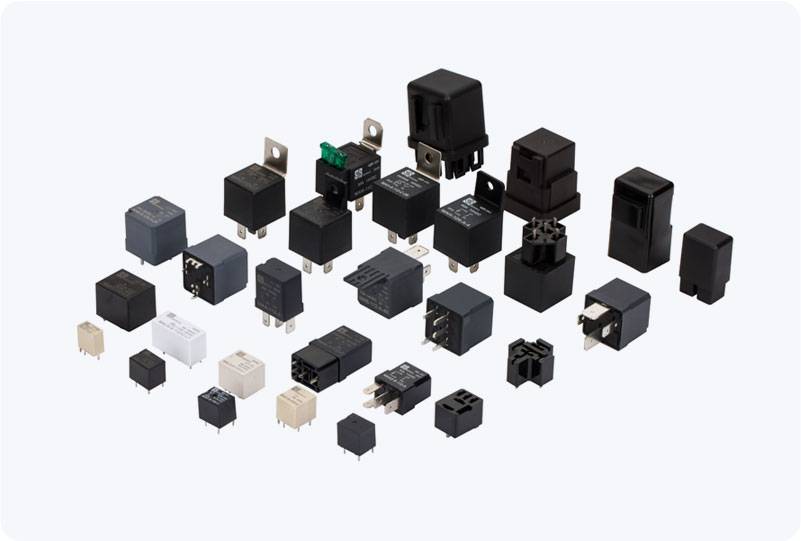
What is CE Certification? CE marking indicates that a product meets European standards for safety, health, and environmental protection. It is mandatory for products sold within the European Economic Area (EEA). For relays, CE certification ensures that the device adheres to critical European directives such as the Low Voltage Directive (LVD) and the Electromagnetic Compatibility Directive (EMC). This compliance is verified through a rigorous assessment process that examines the product’s design, manufacturing process, and suitability for its intended use. By achieving CE certification, relay manufacturers demonstrate their commitment to safety and performance. The certification not only facilitates market access in Europe but also enhances manufacturer credibility among consumers and business partners.