Relay circuit design plays a crucial role in modern electronic systems, allowing low-power control circuits to manage high-power loads. A relay is an electrically operated switch that opens or closes a set of contacts in response to an applied control signal. This ability to control high-current circuits with low-current control signals makes relays an indispensable component in a variety of applications, including automation systems, automotive electronics, and industrial machinery. This article explores the basics of relay circuit design, including its components, working principles, and key considerations for optimal performance.
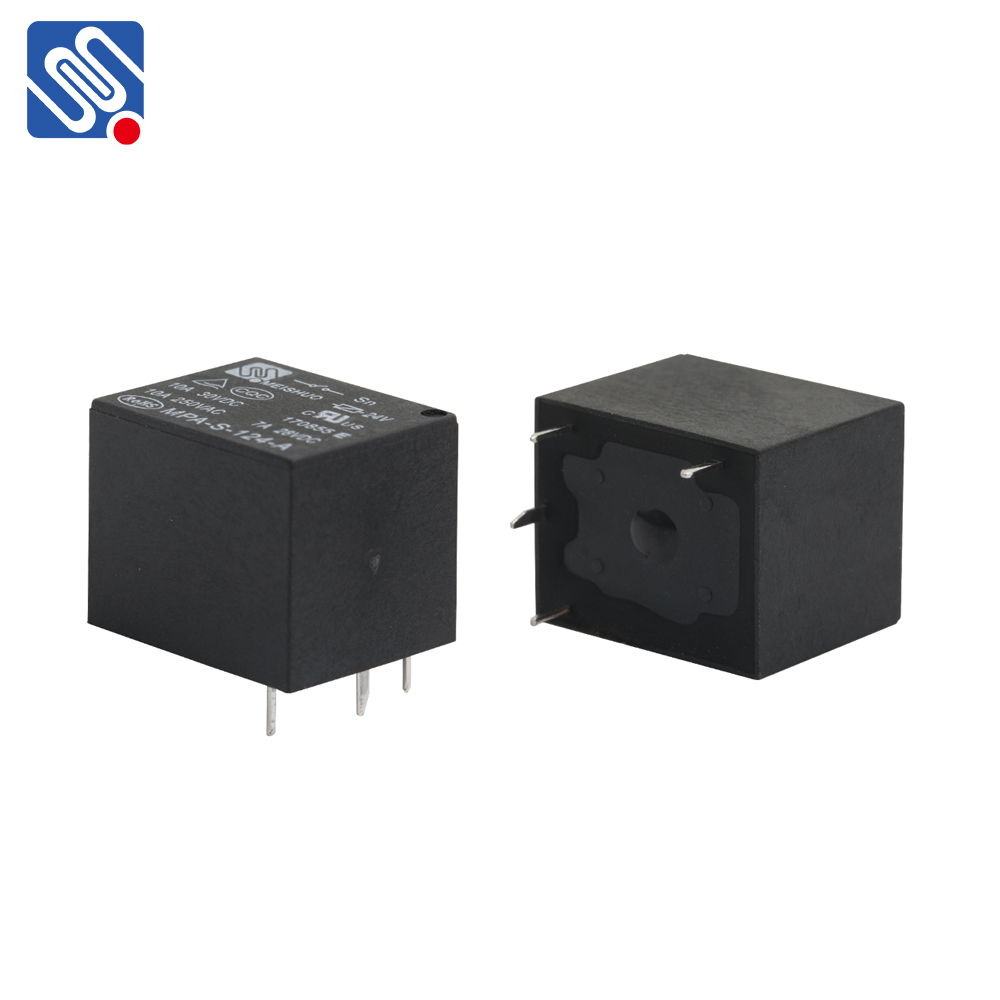
Understanding Relays A relay consists of several key components, each playing a vital role in the circuit’s function. These include: Coil: The coil, also known as the electromagnet, is the heart of the relay. When current flows through the coil, it generates a magnetic field that pulls the relay’s moving parts, opening or closing the switch contacts. Contacts: Relay contacts are responsible for connecting or disconnecting electrical circuits. There are typically two types of contacts: Normally Open (NO) and Normally Closed (NC). NO contacts are open in their default state and close when the relay is activated. NC contacts, on the other hand, are closed when the relay is not powered and open when the relay is activated.