Mini solenoid valves are compact devices that control the flow of liquids and gases in various applications through electromagnetic principles. Their small size, efficiency, and reliability make them valuable components in many industrial, commercial, and domestic settings. This article delves into the fundamental concepts of mini solenoid valves, their operation, advantages, and diverse applications.
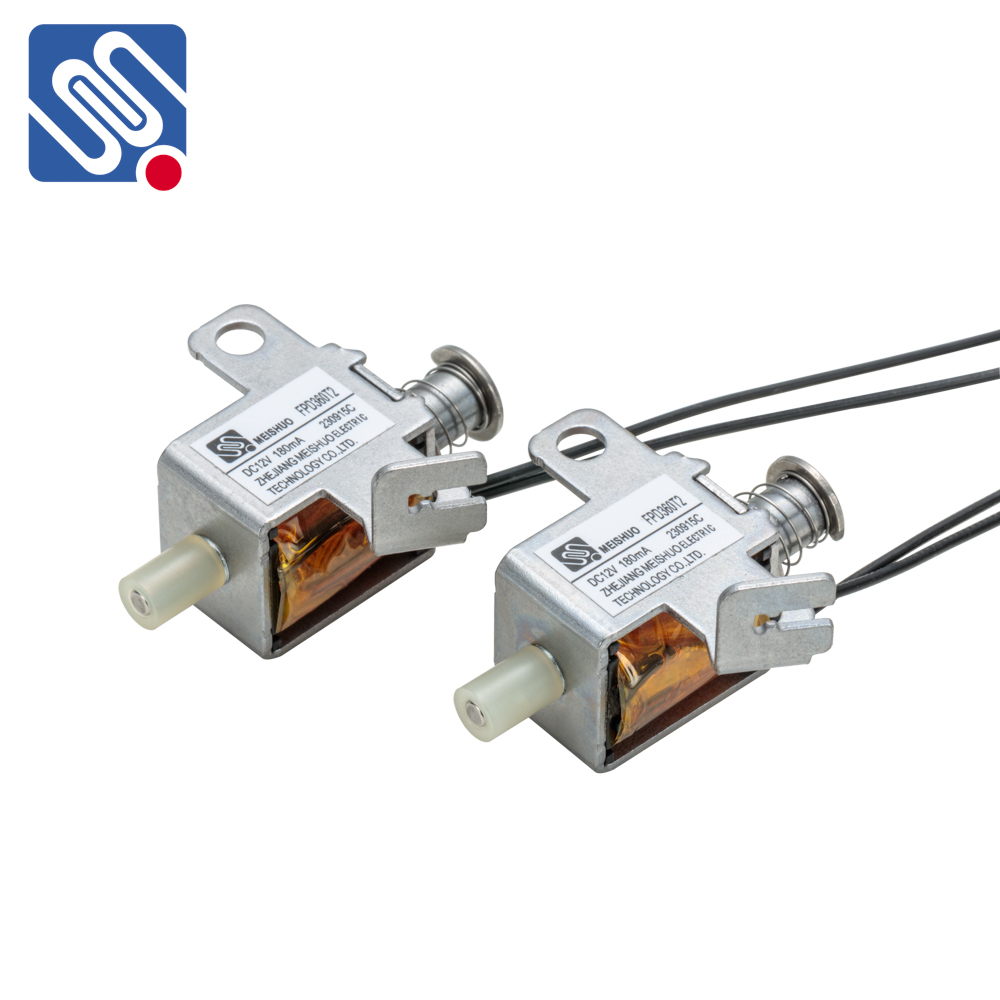
Understanding Mini Solenoid Valves A mini solenoid valve functions as an electromechanical device that uses an electromagnetic coil to open or close a valve. When an electric current passes through the coil, it generates a magnetic field that moves a plunger or armature. This action opens or closes the valve, effectively controlling the flow of the medium. The valve can either be normally closed (non-energized state allows no flow) or normally open (non-energized state allows free flow). Construction of Mini Solenoid Valves The structure of a mini solenoid valve typically includes a solenoid coil, a plunger, a valve body, and seals. The valve body houses the flow path through which the liquid or gas travels. Seals are essential for preventing leaks, ensuring that the medium does not escape. The materials used in the construction of these valves can vary, catering to different media types, such as water, air, oil, or chemicals.