Lockout hasps are critical safety devices used in various industrial environments to prevent accidental equipment activation during maintenance, repairs, or service operations. The principle behind lockout/tagout (LOTO) procedures is to ensure that dangerous machinery or energy sources are securely isolated, thereby reducing the risk of accidents and injuries. In this article, we will explore the importance of lockout hasps, their applications, and how they contribute to workplace safety and regulatory compliance.
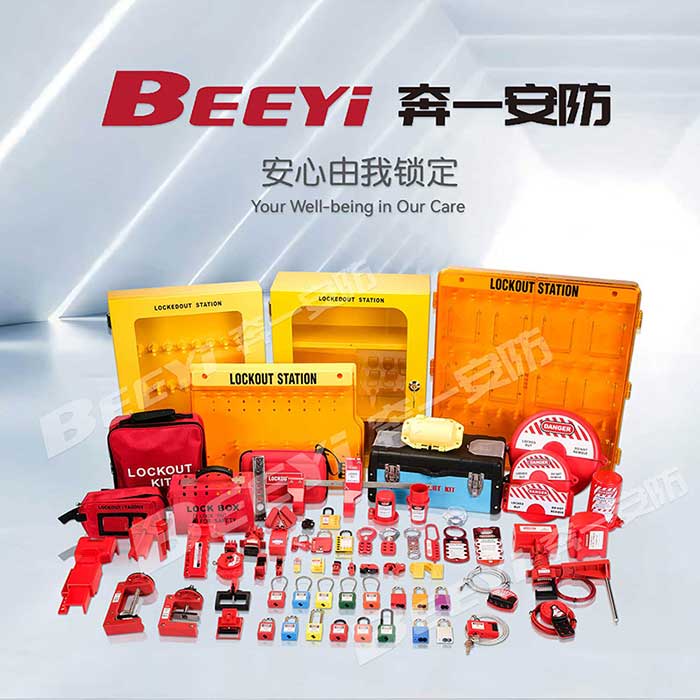
What Are Lockout Hasps? A lockout hasp is a simple yet effective tool designed to secure equipment’s energy-isolating mechanisms. Typically, it is a metal or plastic device that attaches to the energy-isolating mechanism, such as a valve handle or circuit breaker. The hasp is used to hold a lock in place, preventing the mechanism from being operated while maintenance or repairs are underway. A single lockout hasp can accommodate multiple locks, allowing each worker involved in the maintenance process to securely lock out the equipment in question. Key Applications of Lockout Hasps
1. Ensuring Safe Maintenance and Repairs