The Filtration System Solenoid Valve plays a vital role in modern fluid handling systems, offering automated control over the flow of liquids and gases. By using an electromagnetic mechanism, these valves regulate the filtration process, ensuring the efficient removal of impurities, protection of sensitive equipment, and enhancement of system performance. This article delves into the essential aspects of Filtration System Solenoid Valves, exploring their working principles, applications, types, and advantages.
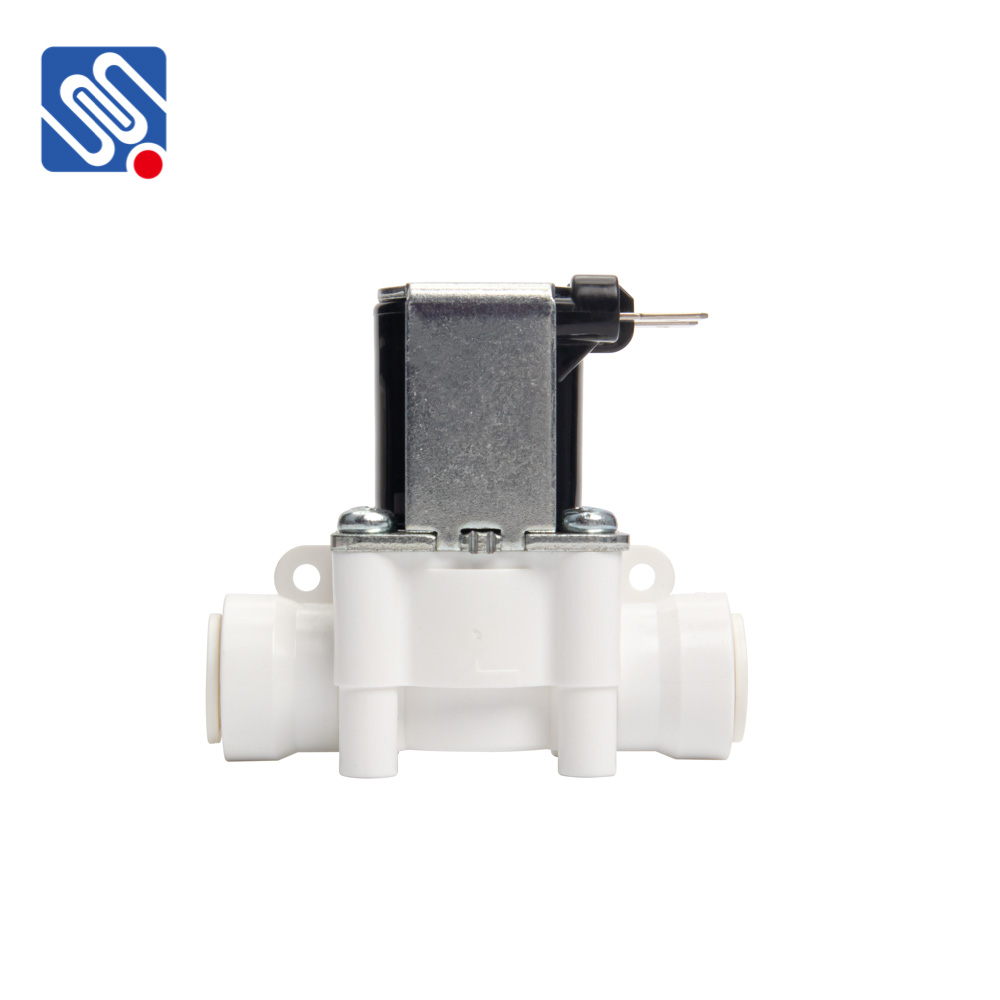
What is a Filtration System Solenoid Valve? A Filtration System Solenoid Valve is an electromechanical device used to control the flow of fluids (liquids or gases) within a filtration system. It operates through the principle of electromagnetism, where an electric current passes through a coil, activating a plunger or diaphragm to open or close the valve. The valve’s purpose is to regulate the flow of fluid through the filtration system, either allowing or stopping the flow depending on the system’s needs. These valves are critical in applications where automatic fluid control is required, particularly in systems that need precise operation without human intervention.