A 24V 10A relay is an essential component in various electrical systems, known for its ability to control higher voltage and current circuits while being controlled by a lower voltage. These relays are widely used in applications where switching large amounts of power is required but where the control system operates at a lower power level. This article explores the functioning, key features, applications, and benefits of the 24V 10A relay.
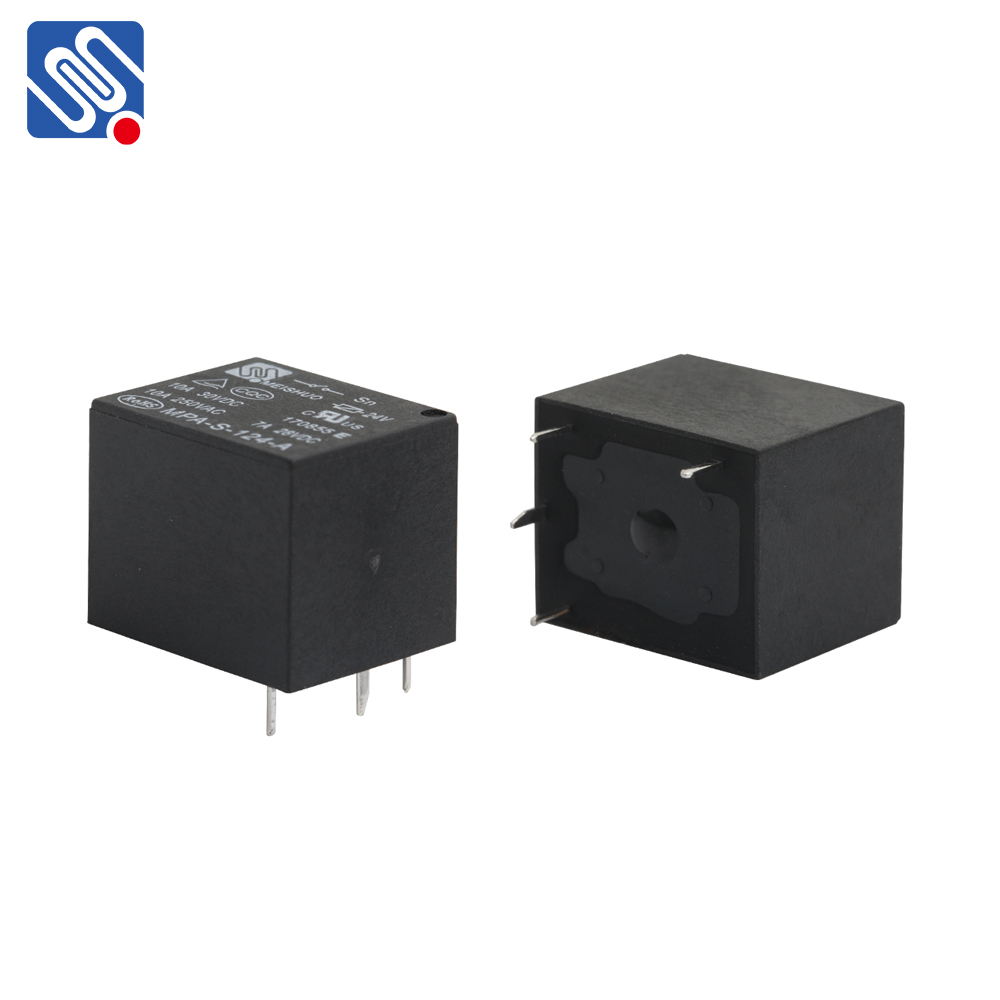
What is a 24V 10A Relay? A 24V 10A relay is an electromechanical switch that uses a 24V DC signal to control a higher power circuit with a maximum current rating of 10A. The term “24V” refers to the operating voltage required to activate the relay, while “10A” indicates the maximum current the relay can handle in the switched circuit. Relays like these are often used in automation, automotive systems, and industrial control applications. How Does a 24V 10A Relay Work? The operation of a 24V 10A relay is based on electromagnetism. When a 24V voltage is applied to the relay’s coil, it generates a magnetic field. This magnetic field attracts a metal armature that either opens or closes the contacts within the relay. These contacts control the flow of current in the connected load circuit. There are typically two types of contacts: Normally Open (NO) and Normally Closed (NC).