Relays are essential components in electrical and electronic circuits, acting as switches that open or close circuits electromechanically or electronically. They are widely used in various applications, from automotive systems to industrial machinery, due to their ability to control a high current or voltage circuit using a low current or voltage signal. However, one critical factor that engineers and designers must consider when incorporating relays into their systems is relay lifespan. This article explores the concept of relay lifespan, the factors affecting it, and how to maximize the reliability of relay-based systems.
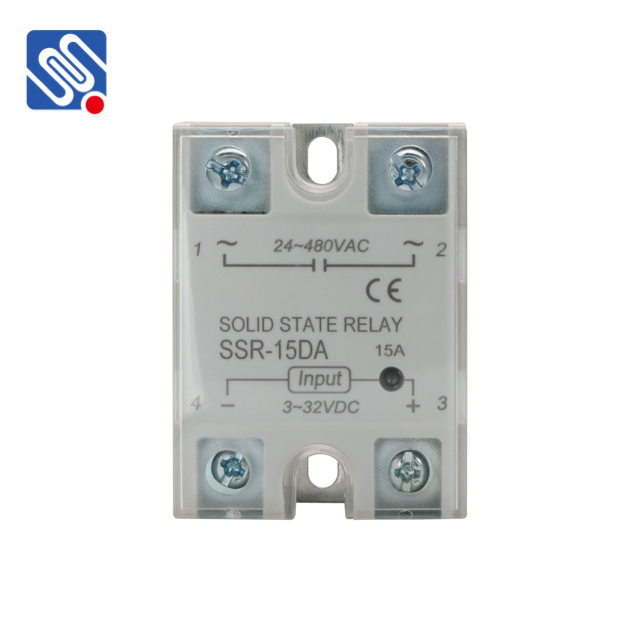
What is Relay Lifespan? Relay lifespan typically refers to the duration or number of operations a relay can perform before it fails. It is an essential parameter that defines the reliability and longevity of a relay in a specific application. Relay lifespan can be categorized into two main types: mechanical lifespan and electrical lifespan. Mechanical Lifespan Mechanical lifespan refers to the number of operations a relay can perform without electrical load. In this context, mechanical actions involve the physical movement of the relay’s internal components, such as the armature and contacts. Mechanical lifespan is usually longer than electrical lifespan since it does not involve the wear and tear caused by passing electrical current.