General-purpose relays (GPRs) are crucial components in various electrical and electronic systems, serving as essential switching devices. Their widespread use across multiple industries is a testament to their versatility, reliability, and effectiveness in controlling electrical circuits. This article aims to provide a comprehensive understanding of general-purpose relays, including their construction, working principles, applications, advantages, and limitations.
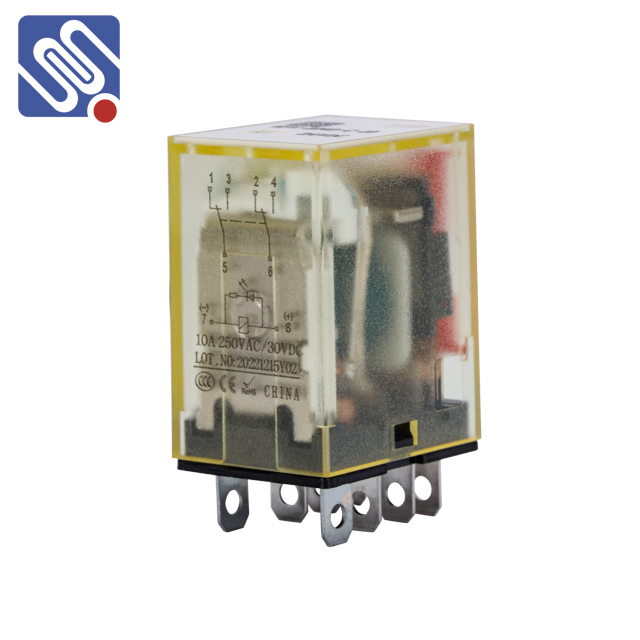
Construction of General-Purpose Relays A general-purpose relay consists of several key components that enable it to function effectively. These components include: Coil: The coil is the heart of the relay and acts as the control element. When an electric current flows through the coil, it generates a magnetic field. This magnetic field is crucial for the relay’s operation. Armature: The armature is a movable iron lever that, when energized by the magnetic field generated from the coil, moves to mechanically operate the contacts. Contacts: The contacts are conductive metal pieces that open or close to control the flow of current in the circuit. Depending on the design, there are two types of contacts: normally open (NO) and normally closed (NC). NO contacts allow current flow when the relay is energized, while NC contacts allow current flow when the relay is not energized.