As the world shifts towards electric mobility, the importance of advanced, reliable, and efficient components in electric vehicles (EVs) becomes increasingly clear. Among these critical components is the Panasonic EV Relay, a key element in managing high-voltage, high-current circuits within EV charging systems. This relay ensures the safe and efficient operation of electric vehicle batteries, playing a vital role in facilitating smooth charging cycles. In this article, we will explore the features, applications, and advantages of Panasonic EV Relays, shedding light on why they are a go-to solution for electric vehicle manufacturers and charging infrastructure developers alike.
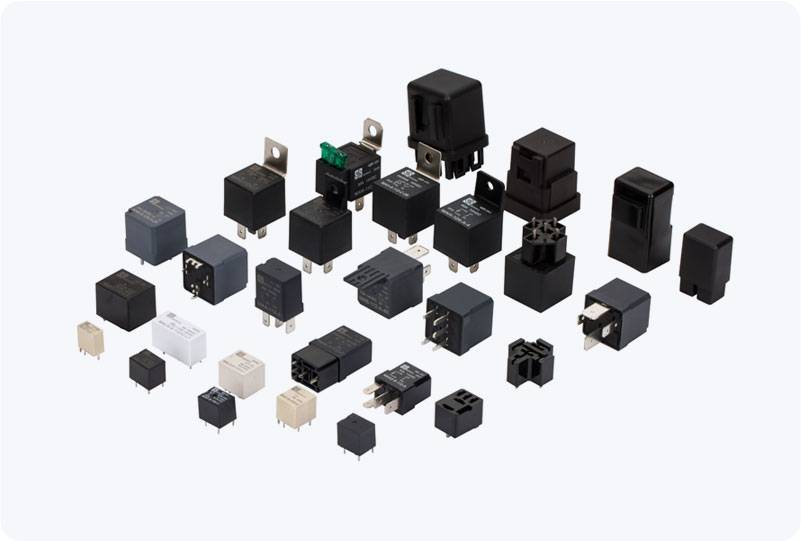
What is a Panasonic EV Relay? A relay is essentially an electrical switch that allows low-power control signals to manage high-power electrical circuits. In the context of electric vehicles, relays are used to control the flow of electricity from the charger to the battery, ensuring that the charging process is conducted safely and effectively. The Panasonic EV Relay is specifically designed for high-voltage and high-current applications typically seen in electric vehicle charging systems. Unlike traditional relays, the EV relay must handle more complex electrical environments, often involving rapid changes in current, voltage, and power levels.