The transition from traditional internal combustion engine vehicles to electric vehicles (EVs) represents one of the most significant shifts in the automotive industry in recent years. As the world moves toward more sustainable modes of transport, understanding the components that enable this technology becomes essential. Among these components, the EV Main Contactor Relay plays a crucial role, ensuring safe and efficient operation of electric vehicles. This article delves into the functionality, characteristics, and significance of the EV Main Contactor Relay in the realm of electric mobility.
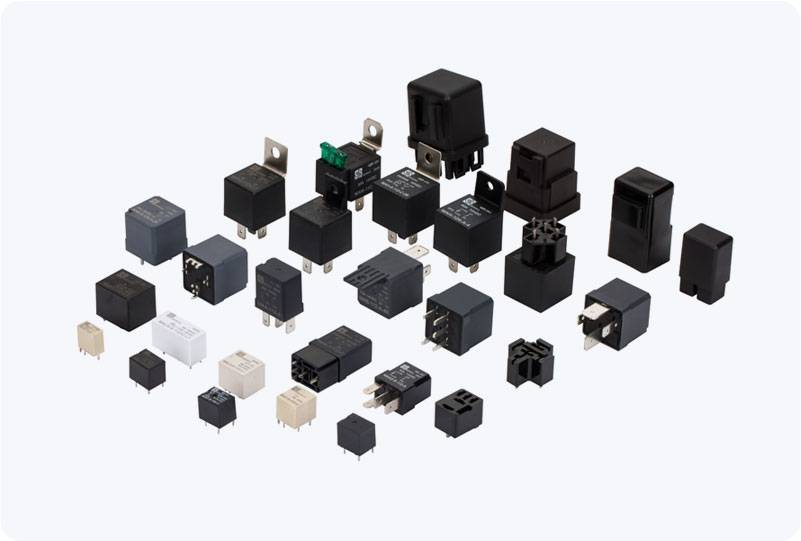
What is an EV Main Contactor Relay? At its core, the EV Main Contactor Relay is an electromechanical switch used to control the flow of high voltage and high current electricity between the vehicle’s battery and its electric motor or inverter. The primary function of this relay is to establish or interrupt the electrical circuit, which is vital for the operation of the vehicle. It acts as a gatekeeper, determining when power is supplied to the motor and when it is cut off. How Does It Work? The operational principle of the EV Main Contactor Relay is relatively straightforward. It consists of an electromagnet and mechanical contacts. When the vehicle is powered on, the control circuit energizes the electromagnet, causing it to create a magnetic field that pulls in the movable contact, thereby closing the circuit. This allows electricity to flow from the battery to the electric motor, enabling the vehicle to start moving.