The rapid adoption of electric vehicles (EVs) has created a growing need for efficient and high-speed charging infrastructure. DC Fast Charging (DCFC) systems have emerged as a vital solution to enable quick recharging of electric vehicles, significantly reducing downtime for EV owners. One key component in these systems is the DC Fast Charging Relay. This article explores the role of DC Fast Charging Relays, their importance, and the technological features that make them essential for the safe and efficient operation of high-power EV charging stations.
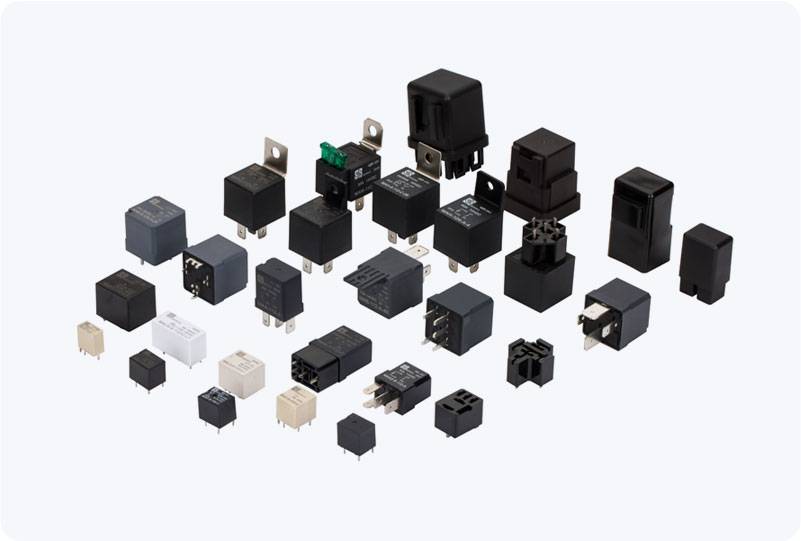
What is a DC Fast Charging Relay? A DC Fast Charging Relay is an electromechanical switch used in high-power DC charging stations to control the flow of electrical current to the vehicle’s battery during the charging process. Unlike AC charging, which uses alternating current, DC fast charging directly supplies DC power to the EV battery, bypassing the vehicle’s onboard charger. The relay plays a critical role in this process, ensuring that the high-voltage and high-current power is safely delivered to the vehicle’s battery without causing any electrical faults. How DC Fast Charging Relays Work