The automotive world has evolved significantly, with increasing reliance on electronic components that enhance safety, comfort, and convenience. At the heart of many of these electrical systems lies a vital component—the high current car relay. These relays are fundamental in controlling the power flow to various high-demand electrical devices, ensuring that vehicles operate efficiently and safely. In this article, we will delve into the intricacies of high current car relays, their functioning, applications, and considerations for selection and installation.
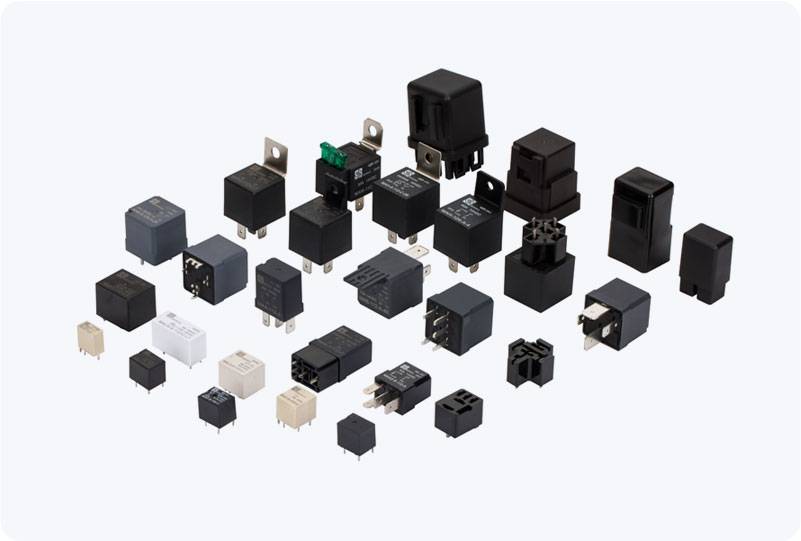
What is a High Current Car Relay? A high current car relay is an electromechanical switch designed to control high-voltage and high-current circuits within a vehicle. Unlike standard relays, which may handle lower currents, high current relays can typically manage currents ranging from 20 to 200 amperes or more. This significant capacity makes them indispensable for applications that demand robust electrical connectivity, such as starting systems, lighting, and power accessories. How Does It Work? The operation of a high current car relay is based on electromagnetic principles. It consists of two main components: a coil and a set of contacts. When the relay is energized, typically by a low current control signal, an electromagnetic field is triggered around the coil. This magnetic field pulls a lever or an armature to close the contacts, allowing the high current to flow through the main circuit. When the control signal is removed, a spring mechanism will return the armature to its original position, reopening the contacts and cutting off the current.