Plastic Water Solenoid Valves are an essential component in the automation of fluid control systems, especially in water applications. These devices use electrical energy to operate a valve that regulates the flow of water, making them indispensable in a variety of industries. With their lightweight construction, durability, and resistance to corrosion, plastic solenoid valves have become the go-to choice for controlling water flow in systems ranging from irrigation to residential water management. In this article, we explore the key benefits and diverse applications of Plastic Water Solenoid Valves.
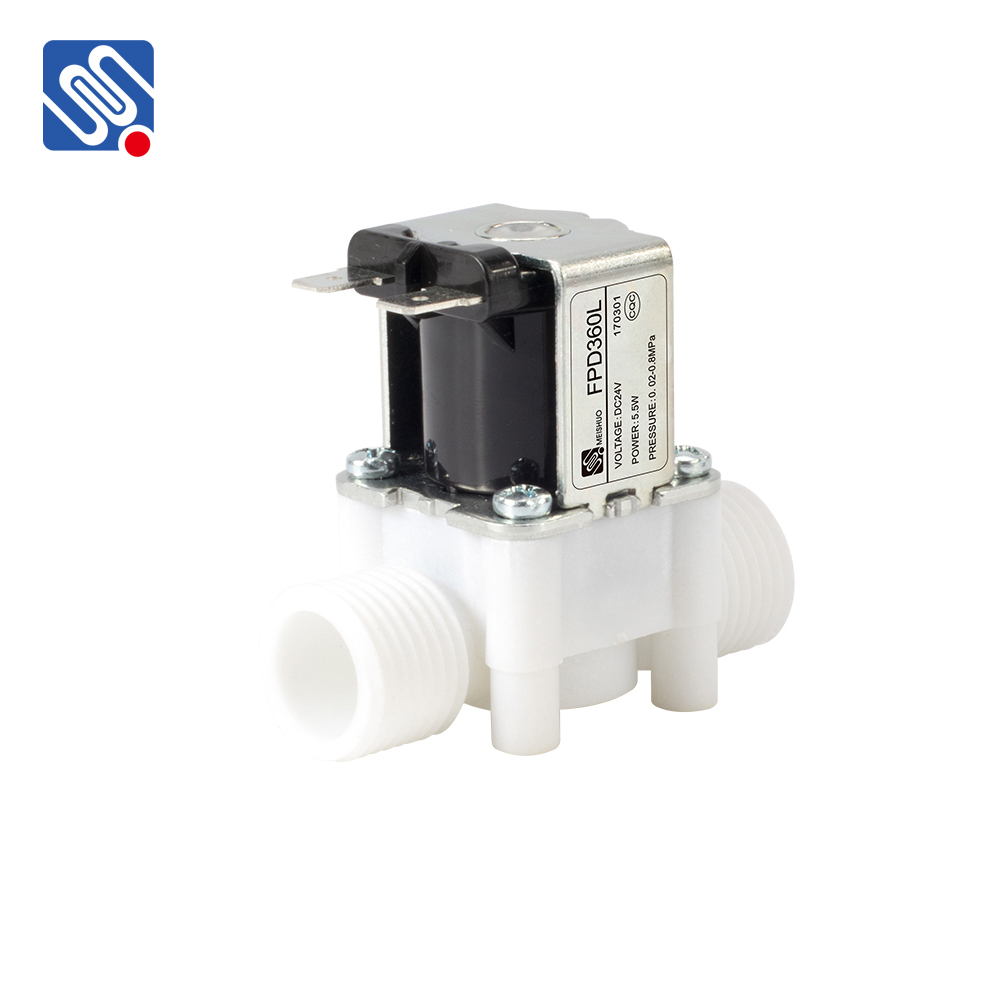
What is a Plastic Water Solenoid Valve? A Plastic Water Solenoid Valve is a type of electromechanical valve that controls the flow of water in a pipe system. It consists of a solenoid (an electromagnet) and a valve body made of plastic materials such as PVC, PP, or nylon. When electrical current flows through the solenoid coil, it generates a magnetic field that either opens or closes the valve, allowing or blocking the flow of water. Once the electrical power is turned off, the valve typically returns to its default state, either open or closed, depending on the design. Advantages of Plastic Water Solenoid Valves